
1.0 Abstract
This is a portfolio document that presents the design, development and implementation of a project for the Cayman Islands Government (CIG) Department of Communications. The primary objective was to migrate and modernise the 52 vital government websites before they were discontinued by the end of 2025. The responsibilities in the project were one: to update legacy content to make it more accessible and consistent in digital style, and to document the process to support maintenance. The document lacks visual representation for many of the discussed topics due to the personal restrictions placed on employees and accessing public sector documentation on personal devices. All visual imagery used is publicly available and can be found on GOV.KY. The project was guided by standard Agile Scrum practices utlizing a Virtual card wall to view project details and tasks. The practices supported open team communication and removed the typical hierarchical structure found in public sector organisations. Discussion of ethical development takes place, and the impact such consideration has on organisations such as the CIG. With further conversation into the operating procedures by which the institution operations with exploration into how it differs from organisations that underwent similar projects. Outcomes of the project included the successful migration of the entity sites and the knowledge transfer that followed. Critical reflection on the effectiveness of the methods used to achieve the goal will be conducted, in addition to the implications of the project.
2.0 Introduction
2.1 Client Brief
This portfolio document covers the progression of the practical project completed in collaboration with the Cayman Islands Government (CIG) Department of Communications(DoC) under the direction of the CIG Department of eGovernment (eGov). The author, Ethan Smith, was contracted to work with the eGov team to complete a client project presented by the DoC. The project consisted of modernising and migrating the DoC’s digital infrastructure to improve public accessibility to the offered services. The migration was part of a larger government initiative to construct a foundation inwhich CIG could utlize Liferay, a “Digital Experience Platform” for future digital endeavours. A process aimed at establishing a increasing uniform digital presence for official services.
Figure 1: Promotional social media video
2.2 Project Responsibilities & Aims
Over the course of the project, there were two primary areas in which individuals involved were responsible. The first was the adaptation and migration of archived government entity websites to the newly acquired Platform as a Service(PaaS) environment for internal testing. The process involved the modification of legacy content to fit the CIG's latest digital styling standards. The second responsibility was the documentation of the processes used in rebuilding the aforementioned entity sites. During which developers were required to write user guides containing information on the future content addition procedure and site maintenance. The primary aim of the project was to open up accessibility to citizens through the advent of more comprehensive digital services. The initiative came about due to the previous system's discontinuation at the end of the 2025 calendar year. The project required the completion of 52 critical government entity sites before the discontinuation.
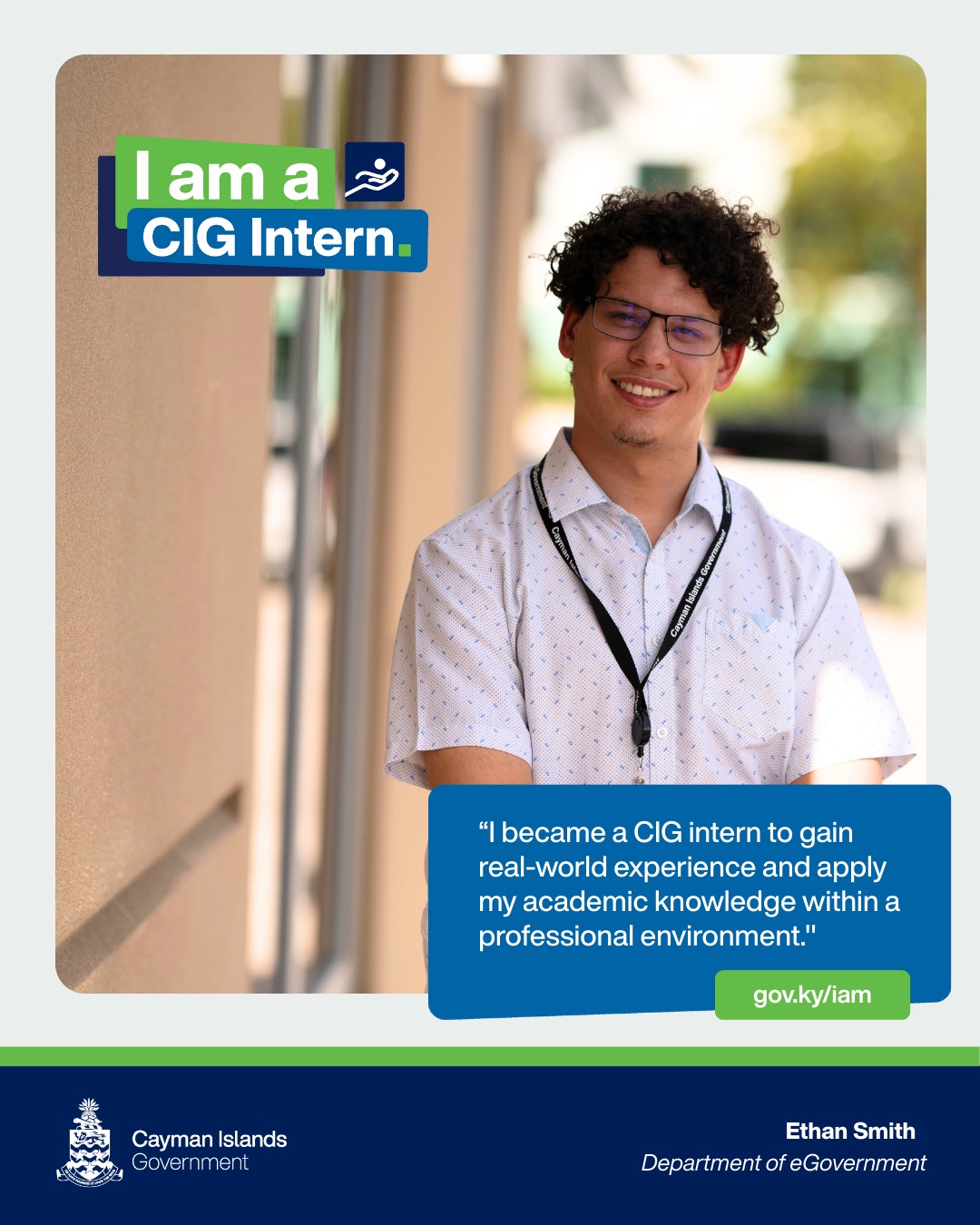
Figure 2: Promotional social media photo
2.3 Sustainability & Accessibility
A byproduct of the migration was the reduction in paper-based resources utilised for citizen-government communication and processing. The increased availability of digital resources reduced the nations releince on printed material in government matters, reflecting the consideration taken to account for global sustainability(SDG12). The goal of the initiative was not to eliminate the use of paper-based resources, but instead to provide alternative access pathways for individuals to access key government information. Nevertheless, the effects of the migration were likely considered before its implementation. The project required institution-wide cooperation and communication due to the scale of the project and the diversity of affected entities. All decisions required approval from the DoC in addition to the government entity to which it was directly connected. This bureaucratic process ensured exposure to both common business communication practices, online security, and the underlying political system responsible for the forward development of all similar projects.
2.4 Report Structure
This report will critically analyse and perform a thorough inspection of the design, development and documentation process by which “Ethan Smith” (the author) undertook during the project. Analysis will include evaluating the technical, ethical, and sustainability implications of the aforementioned project within the digital media space and the encompassing political environment.
3.0 Literature Review
3.1 Overview
This literature review investigates several relevant areas of research pertaining to the discussed client brief. It serves to provide context for the decision-making used throughout the course of the project. Contained within is the exploration of the effectiveness of agile methodologies/common practice, the constraints of organisational operation, and the integration of software tools. Additionally, it will examine the ethical considerations of software design and the application of accessibility tools.
3.2 Agile Project Management in Digital and Institutional Contexts
Agile project management is a digital project methodology that operates by dividing projects into more manageable segments. It has become increasingly common in organisations involved in digital production. Due in part to the flexibility the system provides, in addition to its high success rate for completed projects (42% success rate), in comparison to other methods, such as waterfall(13% success rate)(Morris, 2022). The success of the methodology relies on the clarity it provides to all personnel in all areas of involvement. Agile methodologies create working in environments in which business goals are front and centre. Ensuring all individuals are working towards the same goal, regardless of the task presented. Another key area to the methodology's success is its allocation of tasks, as the methodology takes a profound look at assignment distribution, where tasks can be moved around between individuals, ensuring the most competent personnel are involved regardless of the direction the tasks take. Within an organisation, the methodology can take form in several varying ways. It can take on a physical form with the introduction of a card wall or a digital one utilising software such as Jira(Stray et al., 2022). Operations within the eGovernment department were conducted via Agile methods and were integral to the completion of the project.
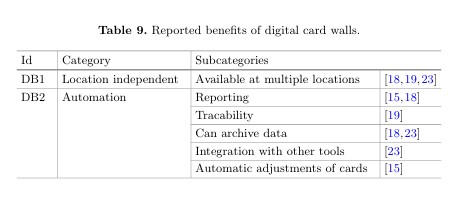
Figure 3: Chart displaying the benefits of digtal card walls(Stray et al.,2022)
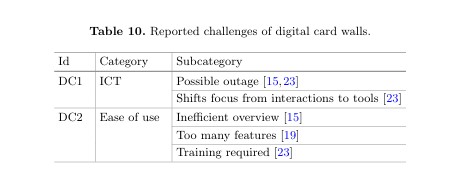
Figure 4: Chart displaying the negatives of digtal card walls(Stray et al.,2022)
3.3 Institutional Constraints and Website Redesign Challenges
The internal structure of an organisation often places constraints on the employees. These constraints often reflect the institutional values and can propose several design challenges to the developers (Gogoll and Zuber, 2026; Johnson et al., 2021). Purdue University underwent a similar rebrand during the reconstruction of its digital library. During which the university documented the process, granting insights into the nature of the struggle presented by constraints. The university found itself bound by institutional policies and procedures that limited the creative freedom they were able to exert(Johnson et al., 2021). This negatively impacted the readability and accessibility of the site. As a result of the challenges, the library was granted higher autonomy in order to assist in mitigating the negative effects of the challenges. This experience highlights the importance of risk management, strategic prioritisation, and stakeholder negotiation when operating within an organisation with a complex structure. The CIG is no exception and faced similar internal pressures from other departments to adhere to official standards incompatible with the software being utilised. Compromise played a large part in the redesign and migration, similarly to what was observed in the aforementioned scene at Purdue University.
3.4 Agile Tools, Visibility, and Collaboration Practices
Agile tools play a vital role in project visibility and team collaboration within development teams. Tools such as card walls or task boards are critical in keeping developers up to date(Stray et al., 2022). These boards can be either physical or digital, but either way, they are capable of functioning as central points of communication. They facilitate activities such as daily stand-up meetings, targeted at holding team members accountable. However, their most important asset is their ability to visualise tasks and to subdivide tasks into digestible goals(Stray et al., 2022). A process that has been proven to result in improved intrinsic motivation and promote collaboration. Tools such as Jira offer a similar experience to a physical board while removing the spatial requirement. eGov utilised a mix of both physical and digital tools during the course of the project to maximise workspace and productivity.
3.5 Ethical Decision-Making Embedded in Software Systems
Software developers have an inherent duty to consider ethical decision-making when creating new systems. Especially since these created systems often become embedded with the decisions used to create them. In the book “Ethical Programs: Hospitality and the Rhetorics of Software”, the author Brown describes the phenomenon by which what he calls ethical programs are created. He states that developers are responsible for the creation of filters that decide the ethical values of a program (Brown, 2015). The content included in the program is decided by the creator, and this content inherently displays the ethical values of said creator. Further research supports Browns claims as Gogoll and Zuber believe that ethical responsibility goes beyond the individuals responsible and instead is a reflection of the organisational structure that the creator is a part of (Gogoll and Zuber, 2026). Development, as mentioned before, is often constrained by the institutional structure around the project, which is why organisations must consider the ethical implications of the final product being produced. The CIG is no exception, as the migration included the implementation of new content and the exclusion of outdated content. In the public sector, accurate and ethical information are necessary consideration due to the scale at which said information is viewed.
3.6 Accessibility and Inclusive Design as Ethical and Practical Practice
Approximately 15 per cent of the global population has some kind of disability(Schmutz et al., 2016; World Health Organisation, 2011). As such, it is an obligation of developers to design with accessibility in mind. The Web Content Accessibility Guidelines (WCAG) offer a set of guidelines that account for the inclusive design necessary for people with disabilities. With levels of accessibility from NA(none) to AAA(highest access), studies show that level AA improves usability for both disabled and non-disabled users without negative aesthetic or performance impacts. (Schmutz et al., 2016). The abovementioned migration project accounted for these guidelines through the use of a third-party digital experience platform called Liferay. “Liferay is an enterprise software that unifies content, data, and applications into a single foundation” (Liferay Learn, 2023), and it offers systems that comply with WCAG AA standards.
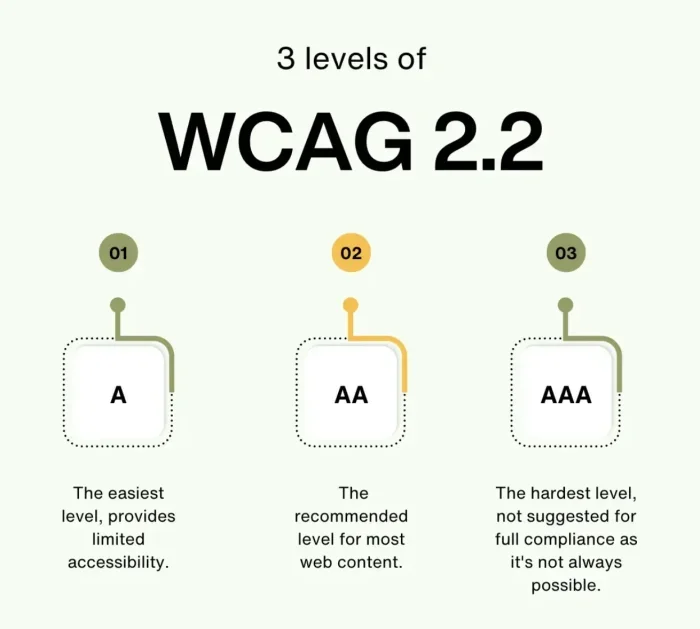
Figure 5: Chart displaying types of WCAG standards(Dhanwani,2025)
4.0 Methodology
4.1 Research Approach and Project Context
This project assisted in the development and delivery of a real-world digital transformation project for a public-sector client. The organisational structure of the CIG and, more specifically, the eGovernment Department that was being worked with directly required research into several key areas. Some of the research was part of their induction process as they require a certain level of competence from all individuals they work with. One area was understanding the software in use through the completion of mandatory training courses. Software training was undergone for the following software: Jira, Figma, Liferay, and myVista(an internal employee management software. Following the training was the completion of various induction tasks showcasing the level of competence.
4.2 Agile Methodological Framework
Operational frameworks vary between departments of the CIG; eGov utilised an Agile-based Scrum methodological framework centred around a software with a virtual card wall. The department utilised the project management software Jira. Within the software, sites were divided into smaller tasks, with set completion criteria. These smaller tasks created an environment where interactive development was favoured. Daily stand up meatings were conducted to reveal progress and hold individuals accountable for tasks. These meetings were led by the newly contracted individuals, such as myself, with the intention of building communication skills and opening avenues of communication with existing team members. Stand-up meetings were used to discuss current progress and immediate issues, adding a layer of risk management to the workflow process within the organisation.
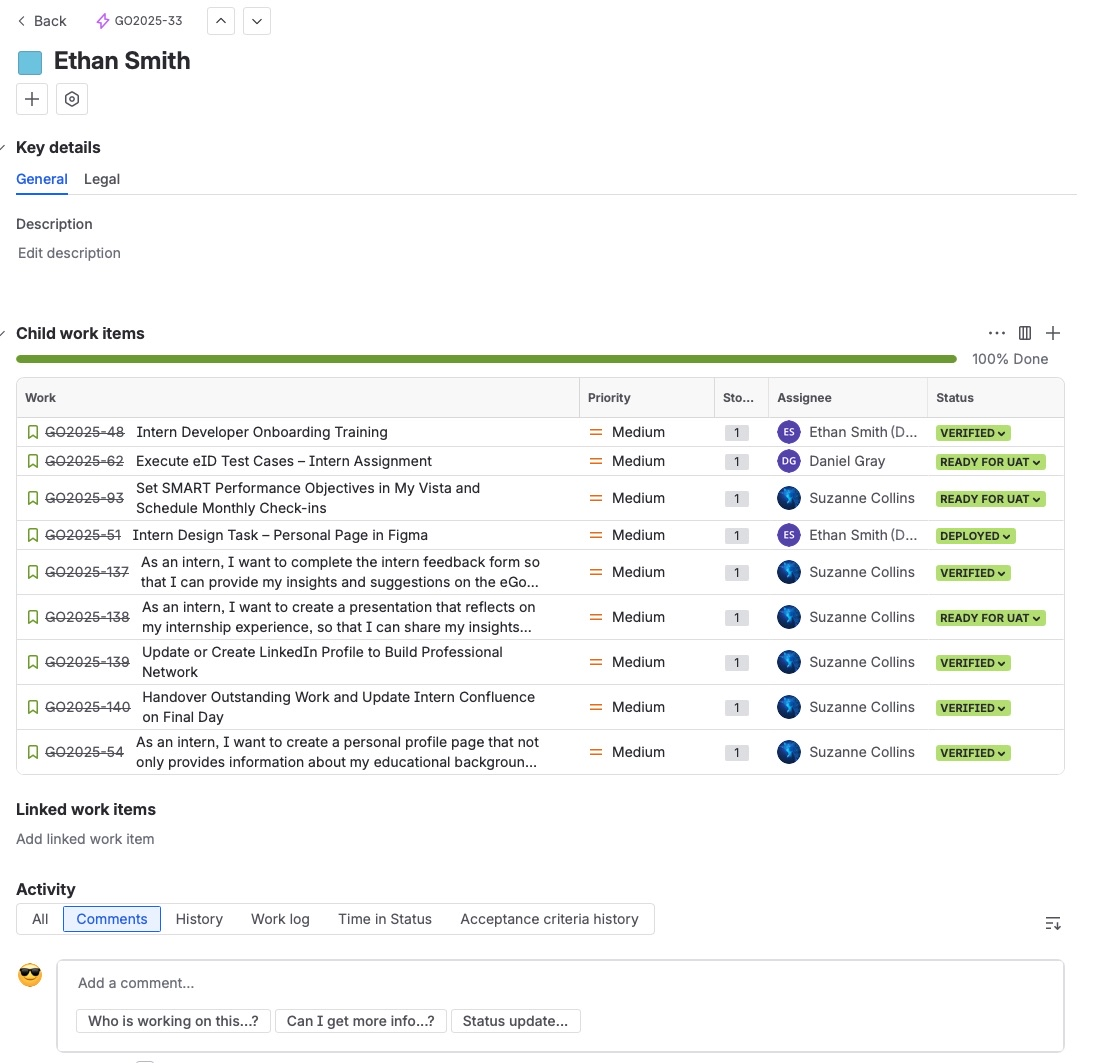
Figure 6: Completed Tasks on Jira(August)
4.3 Tools and Technical Workflow
The department's business analysts were responsible for the production and development tasks, afterwhich the primary project manager would then approve and distribute the tasks throughout the department. Tasks were assigned based on perceived skill sets, but could be exchanged between members freely. This approach encouraged communication between team members and maximised productivity. After the completion of a task, it would be sent for quality assurance(QA), during which the resident UI/UX designer would approve the site layout or request changes. If approved, the site would be sent to the business analysts for content approval, after which feedback would be provided for approval for completion. If approved for completion, the site would be added to the lead technical director's assignment board and await launch to the internal test environment. Completed and integrated sites would be added to a physical board to show project progress and positively impact team morale.
4.4 User-Centred and Ethical Considerations
Accessibility and user-centred design were greatly considered throughout the project. The department's UI/UX designer regularly provided feedback on designs. Designs were created on the Figma framework provided by the UI/UX designer. Discretion allowed for the nuanced design of each site while adhering to the general framework. Design choices were often influenced by readability and accessibility, as modifications were normally made to better accommodate the content on each. Ethical responsibility was not a indivdaul concern but rather an organisational one. One which was likely heavily considered, given the nature of the project’s goal to bring greater accessibility to the people of the Cayman Islands.
4.5 Quality Assurance Methods
Quality assurance was addressed through adherence to established web standards within the department. The production pipeline ensured that correct quality assurance practices were in place. Completed tasks were reviewed twice to ensure the correct quality standards. The first instance of review was by the department’s UI/UX designer for layout control. During this stage, they would examine the presented piece to ensure it aligns with the organisation's typology, page design, and other relevant elements. The tasks would then be returned to the submitter's board, and they would either modify based on the feedback or move to the next stage of quality assurance. If the task is ready for the next stage, it is sent to one of the various business analysts for content review, during which the task presented is compared to the task description and the original page. This process ensures quality across all pages and strives to maintain consistency in page design and content, regardless of who developed and designed them.
5.0 Development & Design Process
5.1 Project Initiation and Requirements Analysis
The Cayman Islands GOV.KY migration project was prompted by the discontinuation of the previously used framework that the site operated on. The framework was planned to shut down by the end of December 2025. To meet the deadline, the eGovernment department commissioned to complete the project acquired several temporary employees to assist in the task. These employees(including the author) were contracted to work on the project for a duration of 3 months(June - August). The short duration imposed an additional deadline for the project. The key requirements of the project were to comply with the newly established government branding standards and deploy within the Liferay Digital Experience Platform. Requirements that imposed challenges for the developers, inexperienced with the Liferay platform or the public sector operational order.
5.2 Platform Selection and Technical Environment
The platform was selected long before the acquisition of the new employees working on the project. The department possessed familiarity with the Liferay platform and regularly worked closely with the company behind it. However, the primary reason for its use was the switch from self-hosting to cloud hosting GOV.KY is an initiative aimed at freeing up government resources and reducing the maintenance required by the department. Production primarily took place inside Liferay DXP on department-provided equipment(laptops and network). Within the department's network, the program was split into two different environments: the QA environment and the PaaS environment. The QA environment was a locally stored version intended for the development of experimental site features often utilised by senior software developers. The environment was regularly reverted/reset to older versions due to frequent testing. General instability in the environment prompted the majority of development to take place on the PaaS environment. Deployment on the PaaS environment was significantly easier(due to its cloud-based nature), which was another reason for its favoured use. Nevertheless, no development would have been possible on either without the Agile workflow that enabled the project.
5.3 Agile Workflow and Iterative Development Practices
The Agile workflow within the department was facilitated through the adoption of the Atlassian programs Jira and Confluence. The department had 3-4 different boards for its currently active projects. However, the main focus was on the primary GOV.KY project. The GOV.KY board was divided into 7 sections that reflected the status of the tasks in progress. The sections were(in order of operation) Open for Development, In Progress, QA Ready, Ready for UAT, Ready for Deployment, Deployed, and Blocked. They represented each part in the development process and enabled the interactive development process. Tasks were assigned to individuals at the beginning of each sprint(3-week period of development). Once assigned, they would appear in the Open for development section of the individual. After the individual could move the task to the in progress section or the blocked section. The system was linear, requiring a task to be moved through each subsequent section except for the blocked and deployed sections. The Blocked section was available from any place in the process and was used to indicate an issue to other team members. Blocked tasks were to be brought up during daily stand-up meetings that occurred at the beginning of the day. During stand-up, the individual with the blocked tasks would explain the reason for the status and discuss ways to resolve it with the other members. Once unblocked, the task would be able to resume its progress and revert to its original status. The deployed status was limited to the lead technical director responsible for the deployment of sites.
5.4 Content Migration and Design Adaptation
Content migration formed a central component of the development process. Each individual worked on between 1 and 5 sites over the course of the 3 months. The author worked on 4 sites, these being: The Cayman Islands National Archive(CINA), The Public Lands Commission(PLC), Portfolio of the Civil Service(PoCS) and the Office of the Director of Public Prosecutions(DPP). Adaptation was instrumental in the migration process; many of the legacy sites lacked the features or sections present in the new, which warranted the production of new content. While others feature content sections not present on the new sites, which required the removal of bloat content. The most difficult sites to migrate were the ones that followed unconventional layouts. These required interpretation to best adapt the content, and always needed several versions to find the most suitable display method that maintained the GOV.KY format. PLC and DPP were examples of this and, as a result, were more difficult than first perceived. The migration process highlighted tensions between standardised templates and diverse content needs across entities. While the Liferay platform streamlined and simplified production, it hindered development due to the limited flexibility of design. Fragments(predefined segments of HTML) made up the majority of sites; they were easy to implement but often limited to a single function. The fragments often did not fit the exact purpose or style necessary, nor were they permitted change by the temporary personnel. This issue often left the temporary development team at odds with the department's senior developers.
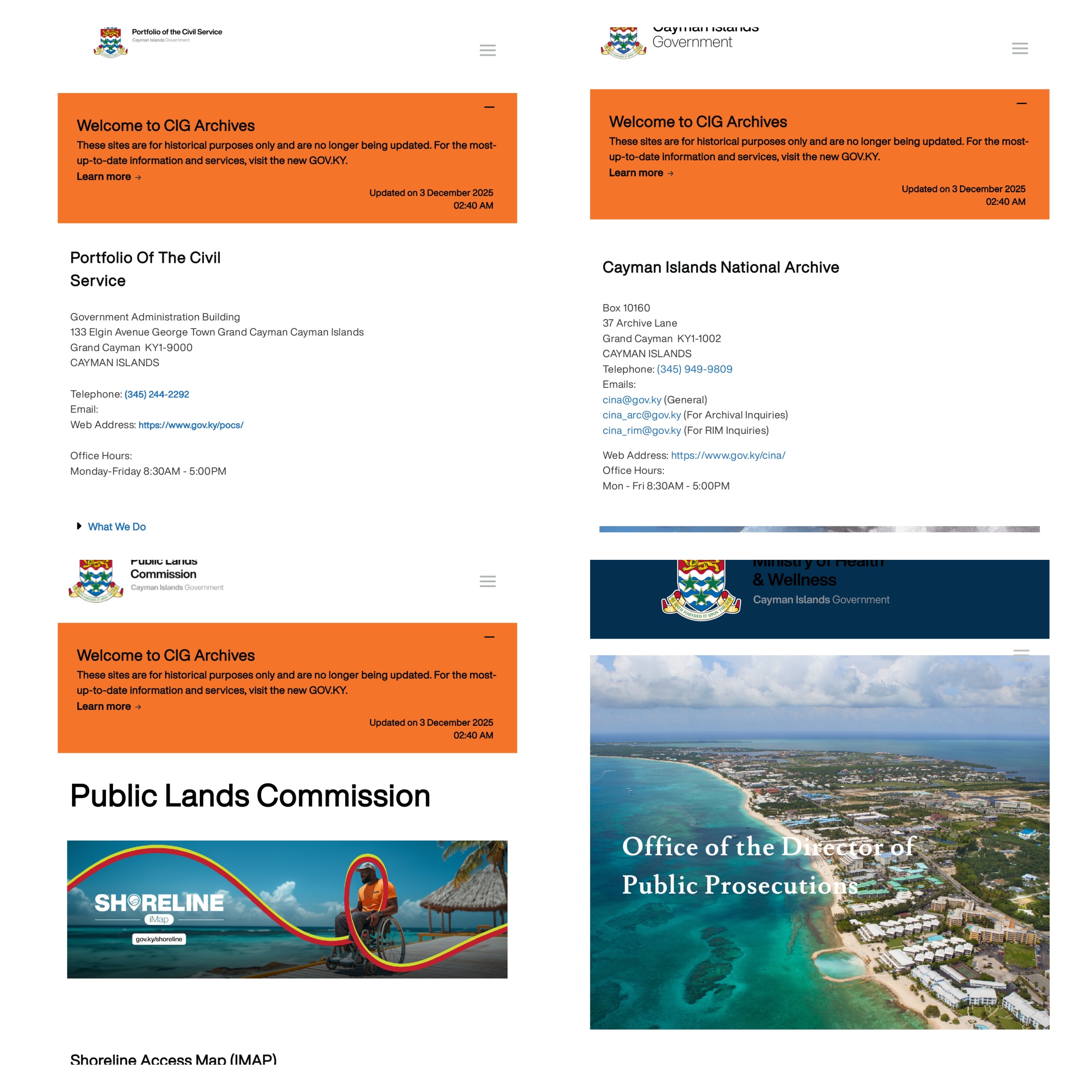
Figure 7: Collection of archived legacy sites referenced by author
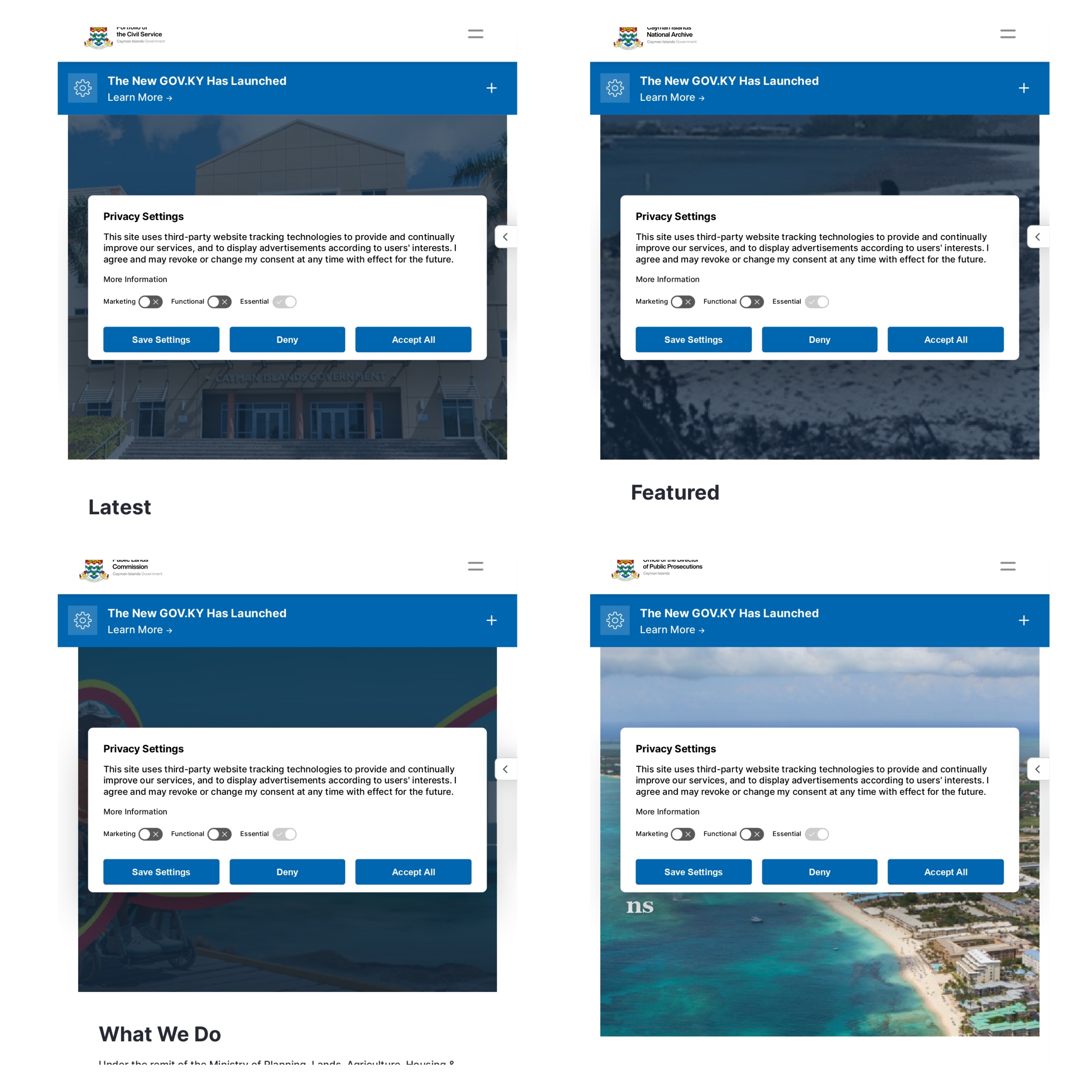
Figure 8: Collection of newly actives sites worked on by author
5.5 Accessibility-Driven Design Decisions
The GOV.KY Figma board displayed what the department determined to be the most accessible layout for the proposed entity sites. Work conducted utilised the board as a reference; however, developer discretion was used when the layout was inapplicable. Alterations in font size and or text colour were often required to fit the original legacy design; consideration for the improvement of accessibility was considered during the process. Examples of this include several legacy sites utilising blue text colour schemes to draw attention to particular text. These areas of blue text often contained poor contrast in comparison to the background, resulting in reduced readability. As a result, during the migration, the colourful text was used; however, the colour was altered to match the approved colours of the new site to increase readability. Accessibility was a key goal with the project, and as such, it was mentioned at every moment. During the QA process, the resident UI/UX designer would provide feedback on accessibility issues. Some of the most common issues during the project consisted of inconsistent spacing, improper heading usage, and incorrect font size. These issues often reduced the readability and negatively affected the way in which Liferay’s accessibility systems interpreted text and site layout.
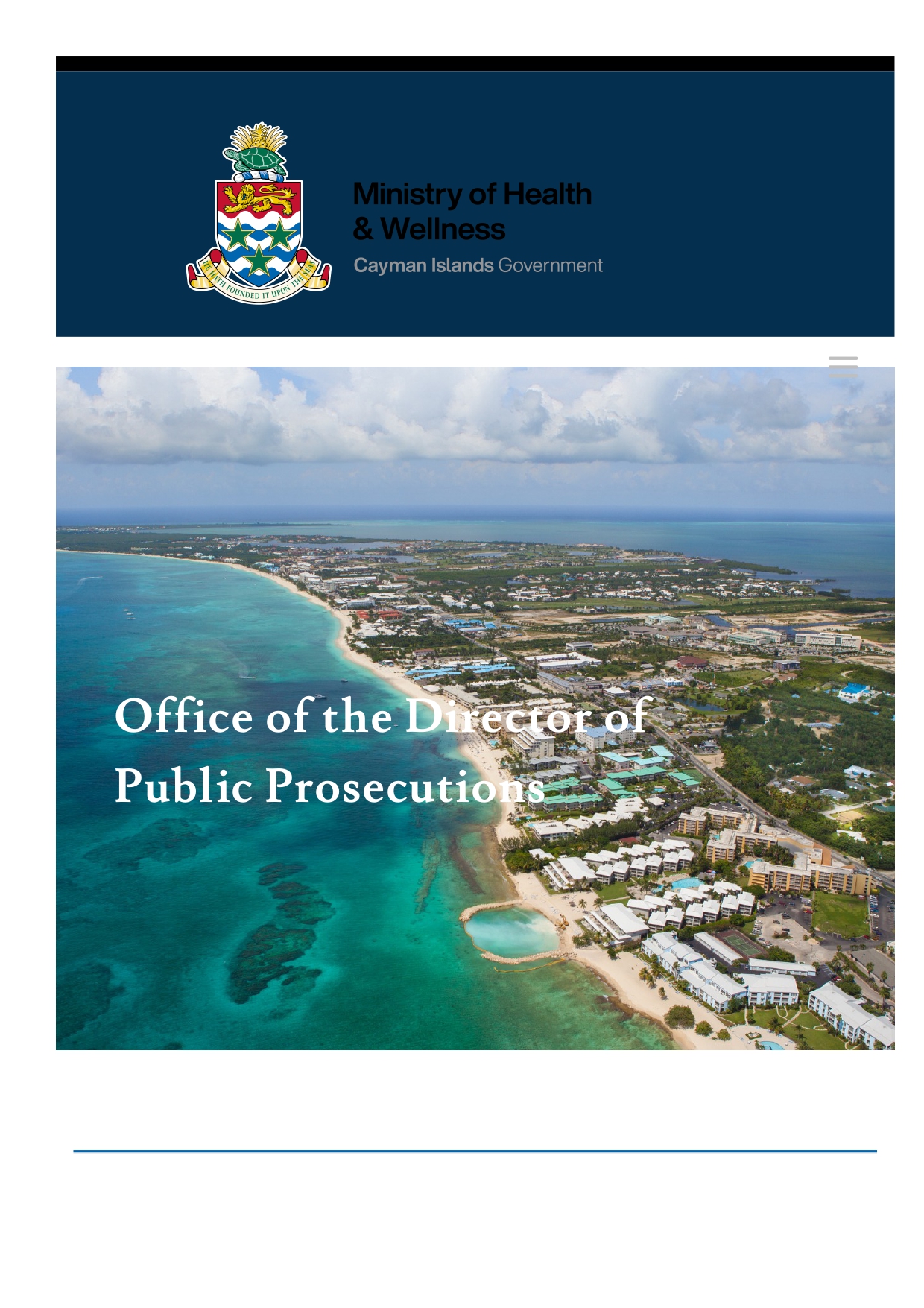
Figure 9: Archived legacy site demonstrating poor readabilty and inconsistent design
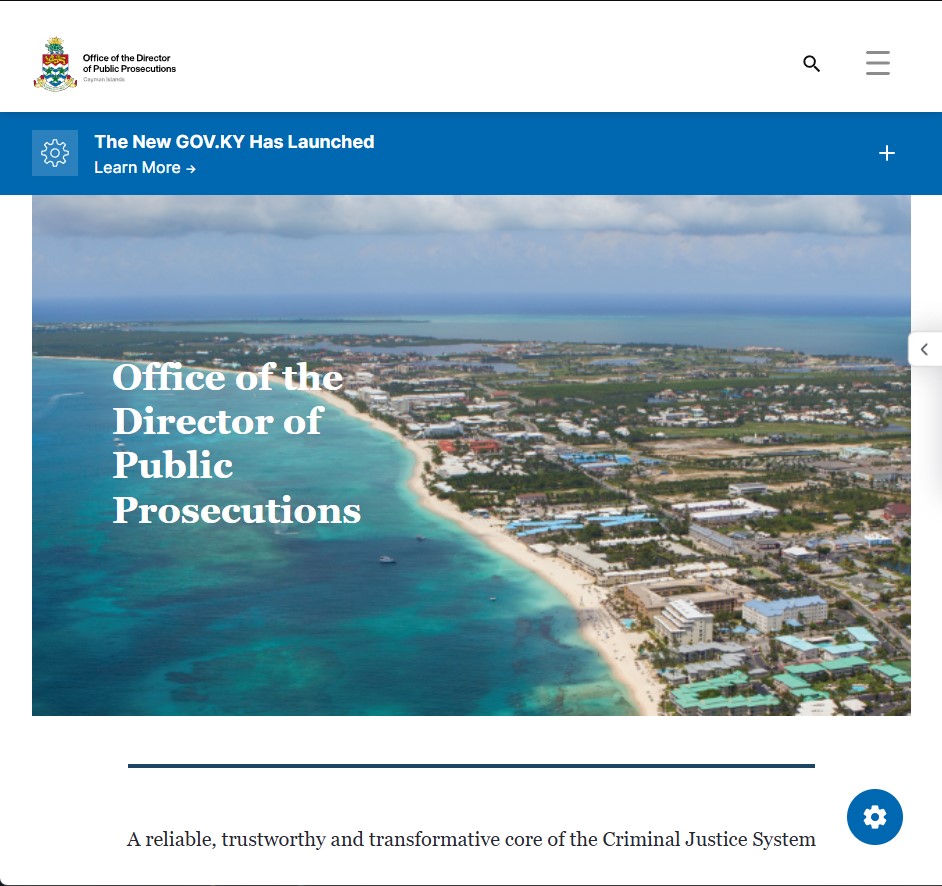
Figure 10: Updated site(designed by author) demonstrating increased readabilty and CIG standard design
5.6 Documentation, Knowledge Transfer, and Handover
Documentation of the project was a critical component to the longevity of the project, as it was in place to ensure that once completed, the department operating the site had the necessary knowledge and resources to maintain it. Detailed yet simplistic user guides were developed alongside the sites. These guides were targeted toward the department employees who lack the same technical ability as those within the eGov department. The documents avoided technical terms, instead opting for general ones. If a technical term was required, it would be explained. These handover documents were integrated directly into the project’s internal article section within Liferay, allowing for easy access without the use of another third-party system. Handover of tasks did not involve the transition to other departments. During the time at which the author’s work was concluded, the project still had significant time with eGov. Due to this handover occurred within the department, and measures were taken to securely place documents in the possession of permanent staff. In-progress tasks were moved to positions within senior developer boards, during which the developers were informed as to the progress of the tasks. Additional notes were left regarding the same information. The process demonstrated effective knowledge transfer that ensured the project’s longevity was secured.
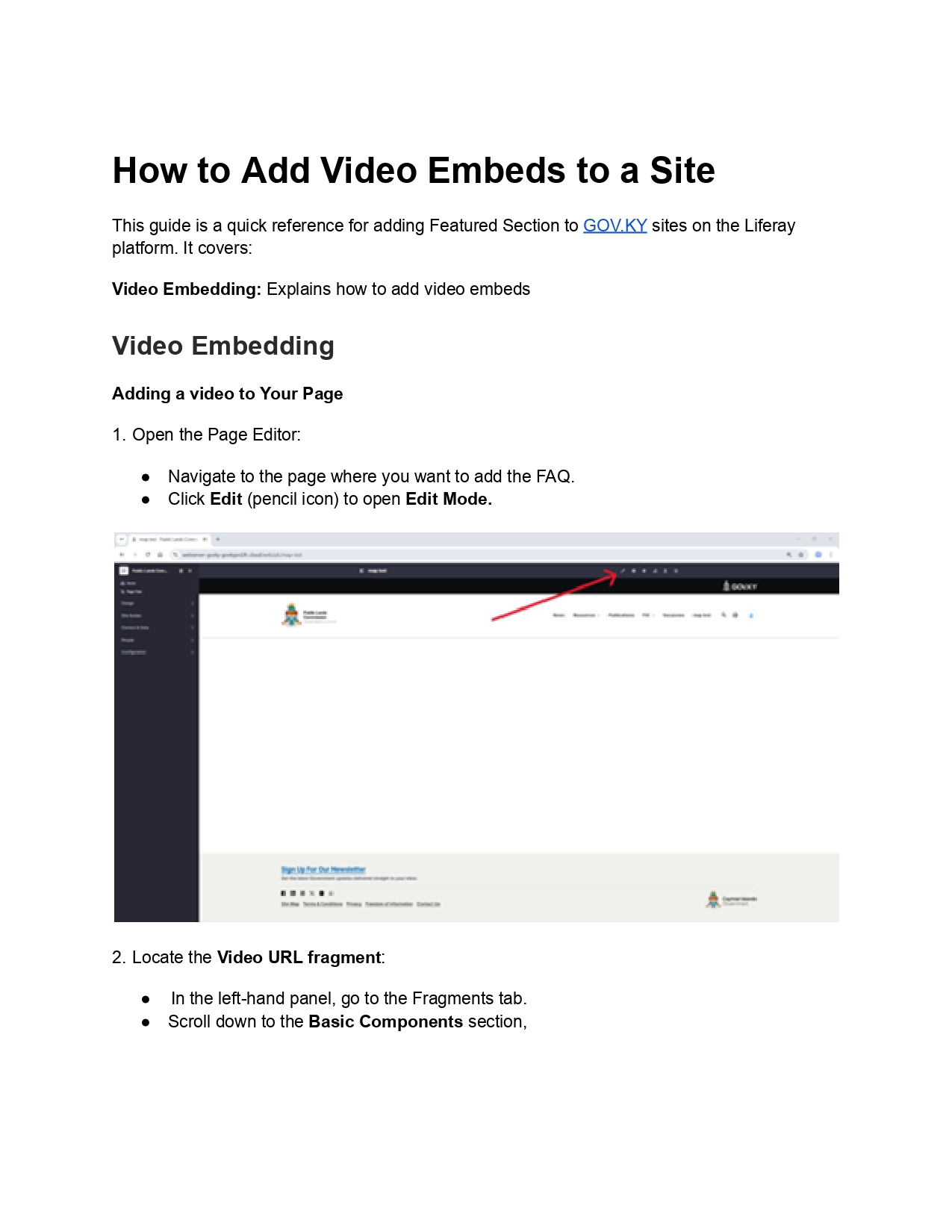
Figure 11: User guide sample created by author
5.7 Reflection on Challenges and Design Trade-offs
The development process involved navigating several challenges. Between upcoming deadlines, incomplete fragments, and difficult sites, it was balcaning act. Each challenge was difficult, but one stood out among the rest; the incomplete fragments held up development significantly and highlighted areas of friction between team members. Fragment development was occurring alongside the site migration, which often resulted in fragments being rushed or unavailable. Due to this, many fragments lacked the customisation necessary for the fulfilment of the brand guidelines. This issue often came down to a lack of communication between the UI/UX designer and the senior developers. The issue trickled its way down to the temporary employees. Immediate solutions were necessary for the forward movement of the project. After significant deliberation between the temporary employees and the GOV.KY project manager a solution was developed. The solution being the annotation of areas in need of fragments; fragments would be left out, and a note would be left in place referring to the future integration. The system relied on the professional note-taking abilities of the employees working on the project. While not perfect, the solution remedied the problem and allowed for further progress to be made.
6.0 Outcomes
6.1 Completion of Site Migration and Integration
The project completed the migration of approximately 40 critical government entity websites into the Liferay Digital Experience Platform. While the project did not complete all 52 entity sites by the end of the temporary employment period, the project did ultimately succeed in its goal to migrate all the sites by the end of 2025. The eGovernment department reported its successes at the end of August directly to the DoC and the deputy governor of the Cayman Islands(at the time), Franz Manderson. Both appeared pleased with the progress and permitted the integration of the project into other government systems. Integration efforts were underway by August and required direct communication with the DoC representative, Kristen Sanchez. During which negotiations took centre stage, the discussion of handover to the DoC was the primary topic. An agreement was reached that after the handover to the DoC, the sites would later be distributed by the DoC to the various entities that require them.
6.2 Usability and User Accessibility Enhancements
Migration resulted in measurable improvements to usability and accessibility. The implementation of a standardised navigation structure enhanced users' ability to access key government information. The redesign eliminated the need to sift through pages for information with the integration of a search bar and consistent titling. The new site's visuals offered a more appealing experience to users through its use of improved and consistent colours. Consistency was the largest influencing factor in the increased usability and accessibility. Standardisation allowed all sites to maintain a structured presentation of information. This newfound structure allowed Liferay’s accessibility systems to operate correctly, offering an experience for disabled and abled users alike.
6.3 Documentation and Knowledge Transfer
All required documentation was completed by the August deadline. The comprehensive documentation will be key to the long-term support of the site. The documentation consists of user guides framed to support site maintenance. The documentation was reviewed and accepted by the eGov department, and as a result, was immediately uploaded to the Paas environment after the conclusion of the project. Members of staff capable of accessing Liferay can readily obtain the documentation through navigation of the internal server.
6.4 Ethical and Sustainability Impacts
The CIG as a whole practices ethical and sustainable business. As such, a large focus of the project was aimed at future sustainability. The project aimed to reduce the required paper trail for government processes by offering other avenues of access. The site’s new navigable design should encourage users to utlize online system over in-person services. The migration of sites to an off-site cloud-based storage solution assists in reducing pollution on the Island. Due to the Island lacking natural energy sources, all energy is imported in the form of fossil fuels. As a result of that, any server running within CIG would utlize that energy and contribute directly to the air pollution. However, the off-site servers have the potential to be hosted in areas that use cleaner energy sources.
6.5 Reflection on Project Success and Remaining Challenges
The project far exceeded the expected criteria within the given timeframe and placed the department ahead of schedule. This enabled the latter half of development to occur with greater efficiency. eGov expected to complete roughly half of the goal by August; instead, roughly three-fourths were completed. The added time allowed the department to revisit problematic areas and fix them. The fragment challenges faced throughout the project could be swiftly addressed, and the temporary placeholders were replaced by a newly developed documentation storage system. Ultimately, the project was a success, and the temporary employees(including the author) positively contributed despite some initial growing pains.
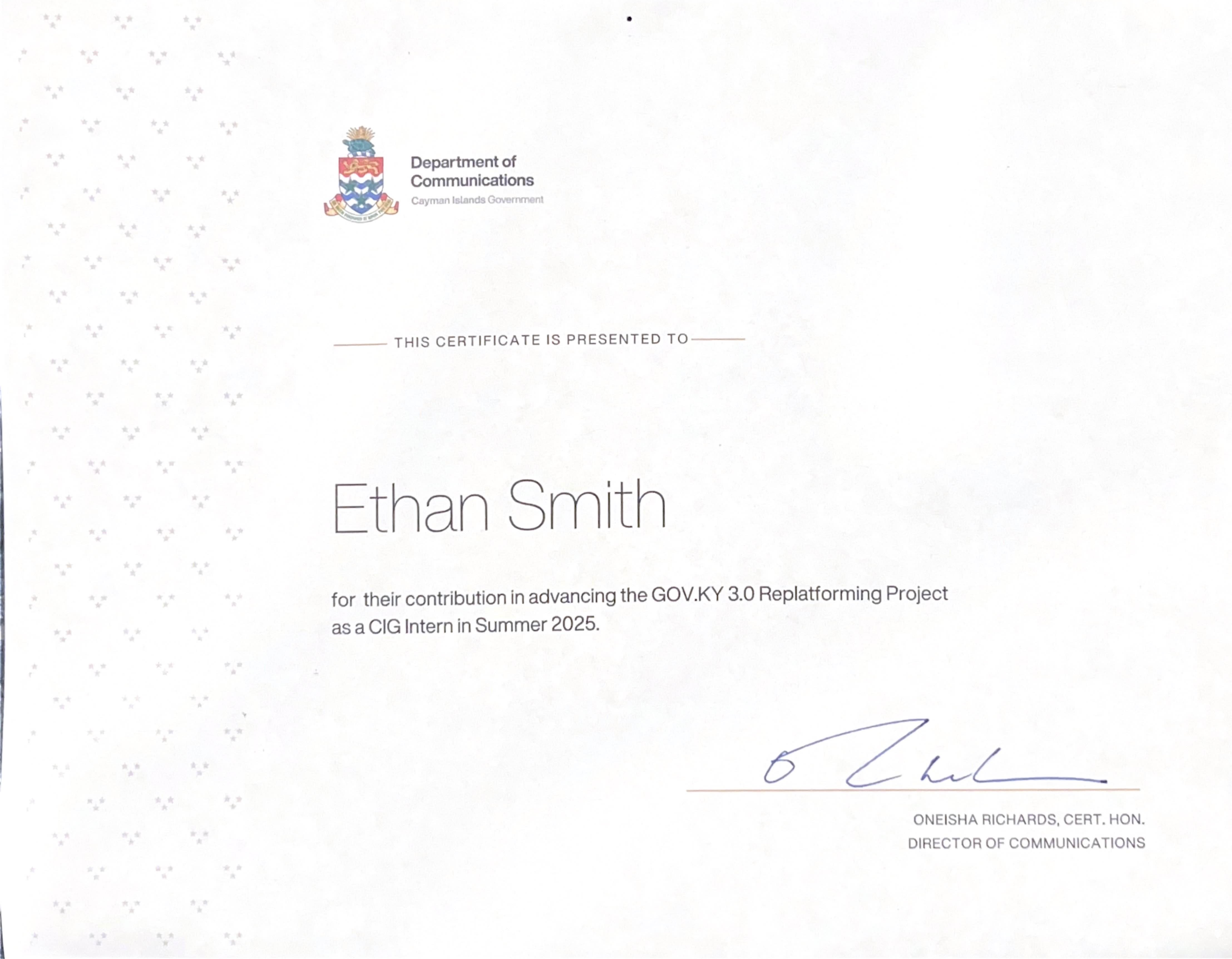
Figure 12: Certificate of Completetion for the GOV.KY project
7.0 Analysis & Critical Reflection
7.1 Evaluation of Agile Practices in an Institutional Context
The department’s application of standard Agile practice within the scope of the project was excellent. It assisted greatly in the task prioritisation and visibility. The virtual card wall enabled the identification of key tasks based on their urgency and dependency while opening up communication. While initially difficult to understand, the process was aided by the lead project manager, whose oversight decreased the learning time required to understand the standard practice and operation. Approval structures slowed progress at times, requiring the completion of a task in order to move forward. This problem occurred regularly when senior developers faced delays on essential fragments. The dependency on these fragments often restricted the project's flexibility; several tasks would often become blocked due to similar issues. This required instant pivots to unblocked tasks while the blocker was addressed. The aforementioned issue highlights an area where the practice and application of the Agile methodology differ. Public sector approval chains can often affect the flow of operations, and that can be observed here. As fragments often were delayed due to UAT approval and disputes between hierarchical roles.
7.2 Impact of Organisational Constraints on Design Decisions
Organisational constraints were mainly imposed by way of design elements. Many core fragments were often designed with the end users in mind. These end users were identified as possessing fewer technical skills, and as a result, the fragments were limited in their flexibility and customisation. This meant that many fragments were unable to achieve the results required to display imagery akin to that observed on the Figma design. Additionally, external page elements handled by third parties often caused issues. During the development of the new PLC site, an issue was found with the map present on the page. The issue resulted in the map displaying a development watermark. The source of the issue was identified swiftly; however, no action could be taken due to the requirement to contact the governing department to confirm the issue and gather the necessary credentials to contact the third-party service hosting the map. Despite these issues, the flexible Agile methodology offered alternative tasks to complete while awaiting the institutional processes' conclusion.
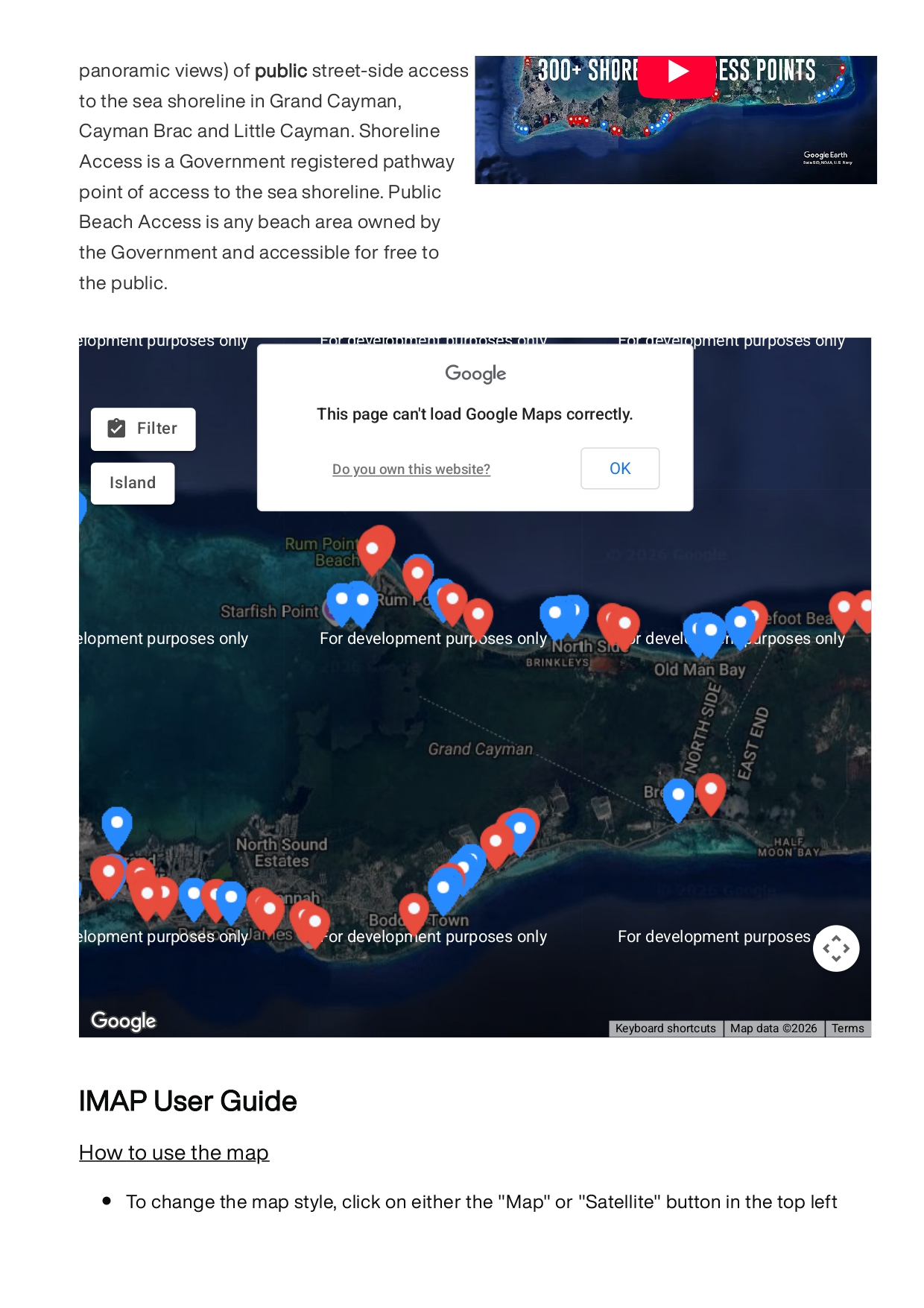
Figure 13: Public Lands Commission map displaying watermark
7.3 Effectiveness of Tools, Documentation, and Collaboration
Liferay proved to be an effective tool in the migration of the entity sites. Without the software's expandable tools that offered great scalability with limited effort, the project would have been impossible to complete using traditional programming methods. Jira and by exntetion confluence were great visual tools that allowed real-time monitoring of tasks and were vital to the time management of the progress. They offered several tools that allowed time to visualise and compare the progress made. This visualisation provided valuable insights when planning for upcoming sprints during the sprint review meetings. The documentation handover was a smooth process for the most part. However, notable changes to the scope were discussed but went undocumented and caused some friction between departments for that reason. The provided user guides offered instructional manuals for maintaining the sites and utilising the various features. Overall, the combination of digital tools and formal documentation resulted in exceptional operations and a standard handover.
7.4 Lessons Learned and Implications for Future Projects
The most valuable lesson learned were those of self-imposed time management and monitoring. Real experience in the daily operations of a software development organisation provided strategies and methods to increase personal time management abilities. The self-governing, focused work environment promoted the growth of time management effectively. However, several other important lessons could be gathered from the project. One such lesson was tracking ones self improvement through the use of goals. The department aided in the facilitation of this through the use of their employee management system, myVista. The system tracked goals and progress and followed up with frequent check-ins to ensure growth. The methods used can be further applied to personal work to increase the rate of self-improvement. Experience with the software offered a great experience that increased technical skills to a high degree. Such increases in technical skills would have taken a large personal time investment outside of such an opportunity. The most effective way to learn is through application; the project facilitated learning in this way through necessity.
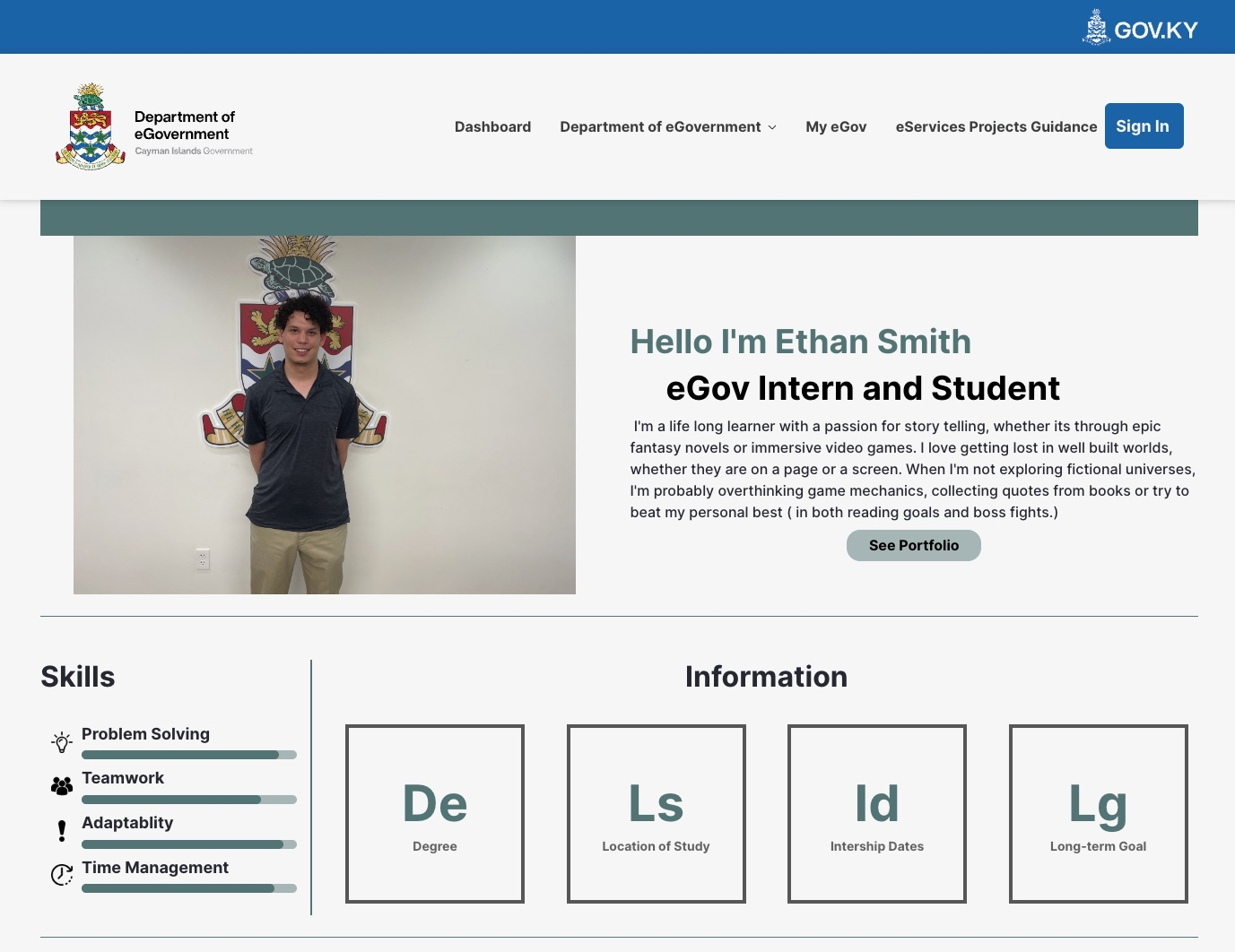
Figure 14: Interal eGov portfolio page that informed the design of this portfolio through application of skills gained
8.0 Conclusion
8.1 Summary of Project Outcomes
The CIG GOV.KY migration project far exceeded its goals during the given timeframe. All sites adapted utlize the newly established digital system, ensuring accessibility to all citizens of the Cayman Islands. The project reduced the organisation's reliance on paper-based processes and supported the transition to the digital age. Proper documentation of systems ensures the ongoing maintenance of the sites, allowing the government to operate the sites effectively for years to come. The Agile methodology effectively supported this transition and enabled eGov to take on the monumental task even with a relatively small team. Overall, the outcomes demonstrate inclusive government services that take into account ethical considerations and sustainable digital practices.
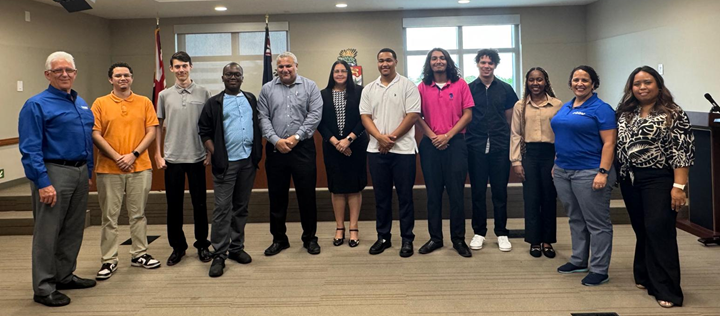
Figure 15: Photo of eGov GOV.KY development team with DOC(client)
8.2 Reflection on Methodology and Tools
The methodology used proved to be an effective tool in the production process. It maintained an environment inwhich personal accountability took priority. In addition to supporting team communication, by removing hierarchical boundaries seen in strict organisational bodies. Despite some tensions between teams due to divided responsibilities, the methodology allowed flexibility to adapt to emerging challenges. Overall, the combination of structured agile practices and collaborative tools created opportunities that enabled an efficient project workflow capable of maintaining a responsive and organised environment.
8.3 Ethical, Accessibility, and Sustainability Achievements
The project was guided by ethical principles, the founding principles that led to its conception. The consideration or the betterment of the Cayman Islands greatly contributed to the motivation of the team. WCAG accessibility was supported by Liferay, offering a level AA usability rating out of the box. Allowing disabled users fair access to government services. Sustainable practices were a great consideration, modernising the organisation while reducing waste produced by paper-based processes. A consideration aligning with the global Sustainable Development Goal 12(SDG 12) by supporting sustainable production. Overall, this highlights the project's industry-leading achievements in the areas of ethical, accesabile and sustainable digital development.
9.0 Reference List
9.1 References
- Brown, J.J. (2015) Ethical Programs: Hospitality and the Rhetorics of Software. Ann Arbor: University of Michigan Press. Available online
- Dhanwani, R. (2025) Web Content Accessibility Guidelines (WCAG): Guide (2025). Available online
- Gogoll, J. and Zuber, N. (2026) Introduction to Ethical Software Development. Cham: Springer Nature. Available online
- Johnson, S., Mann, E. Marshall, A., Rupp, N., Wagner, S.(2021) ‘A Balancing Act: Finding Harmony between Institutional Needs and User Feedback during a Website Redesign’, Public Services Quarterly, 17(2), pp. 122–128. Available online
- Liferay Learn (2023) Getting Started – Liferay Official Documentation. Available online
- Morris, D. (2022) Agile Project Management in Easy Steps. 3rd edn. Leamington Spa: In Easy Steps Limited.
- O.M. and I.V. (2023) ‘Integration of Jira, Bitbucket and Sourcetree in the Management System of IT Projects’, Tehnìčna ìnženerìâ, 2(92), pp. 102–108. Available online
- Schmutz, S., Sonderegger, A. and Sauer, J. (2016) ‘Implementing Recommendations From Web Accessibility Guidelines: Would They Also Provide Benefits to Nondisabled Users’, Human Factors, 58(4), pp. 611–629.
- Stray, V., Stol, K., Paasivaara, M., Kruchten, P.(2022) Agile Processes in Software Engineering and Extreme Programming: XP 2022 Proceedings. Cham: Springer International Publishing. Available online
9.2 Bibliography
- Shashkova, N.I., Fadyeyeva, I.H., and Kazakova, T.S. (2021) UPRAVLINNYA PROYEKTAMY V IT SFERI: ZASTOSUVANNYA HNUCHKYKH METODOLOHIY. Zenodo (CERN European Organisation for Nuclear Research). Available online
- Figma (n.d.) Figma. [online] help.figma.com. Available online
- Atlassian.com (n.d.) Jira Documentation | Atlassian Support | Atlassian Documentation. [online] Available online
- John-Mariadoss, B., et al. (2024) ‘Interactive Effects of Organizational Resources on Sustainable Product Design Practices: A Resource Orchestration Perspective’, European Journal of Marketing, 58(1), pp. 66–91.
- de Jong, T., et al. (2021) ‘Understanding Teacher Design Practices for Digital Inquiry–Based Science Learning: The Case of Go-Lab’, Educational Technology Research and Development, 69(2), pp. 417–444.
- Berry, A.N., and Yarbrough, J.R. (2019) ‘Online Commentary Regarding Workplace Harassment’, Journal of Organizational Psychology, 19(6), pp. 107–124.
- Fol, P. (2025) Java Basics: What Is Liferay? | JRebel. [online] Available online [Accessed 28 Jan. 2026]
- The Global Goals (2025) Goal 12: Responsible consumption and production. [online] Available online
- Jongmans, E., et al. (2022) ‘Impact of Website Visual Design on User Experience and Website Evaluation: The Sequential Mediating Roles of Usability and Pleasure’, Journal of Marketing Management, 38(17–18), pp. 2078–2113.
- Belanche, D., Casaló, L.V., and Guinalíu, M. (2012) ‘Website Usability, Consumer Satisfaction and the Intention to Use a Website: The Moderating Effect of Perceived Risk’, Journal of Retailing and Consumer Services, 19(1), pp. 124–132.
- Król, K., and Zdonek, D. (2020) ‘Local Government Website Accessibility: Evidence from Poland’, Administrative Sciences, 10(2), pp. 1–17.
- Organisation for Economic Co-operation and Development (2009) Rethinking E-Government Services: User-Centred Approaches. Paris: OECD.
10.0 Submission Specific Documents