DM2129 Social Media Campaign Report
1.0 Introduction
1.1 Project Context
This semester has been instrumental in my journey as a game developer. It marked my introduction into the industry through a social media campaign. The task was to utilise two different social media accounts to build an online presence and a personal brand, to gain connections in the industry, stand out to potential employers, and express professional work. Given its status as the leading platform for expressing a professional online presence, the task required using LinkedIn. The task allowed for significantly more freedom on the secondary platform used; given this freedom, I had to conduct significant research to determine the ideal platform.
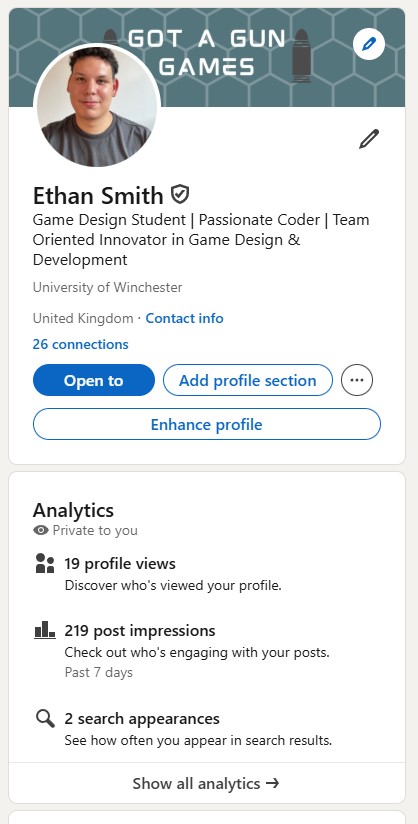
LinkedIn Page
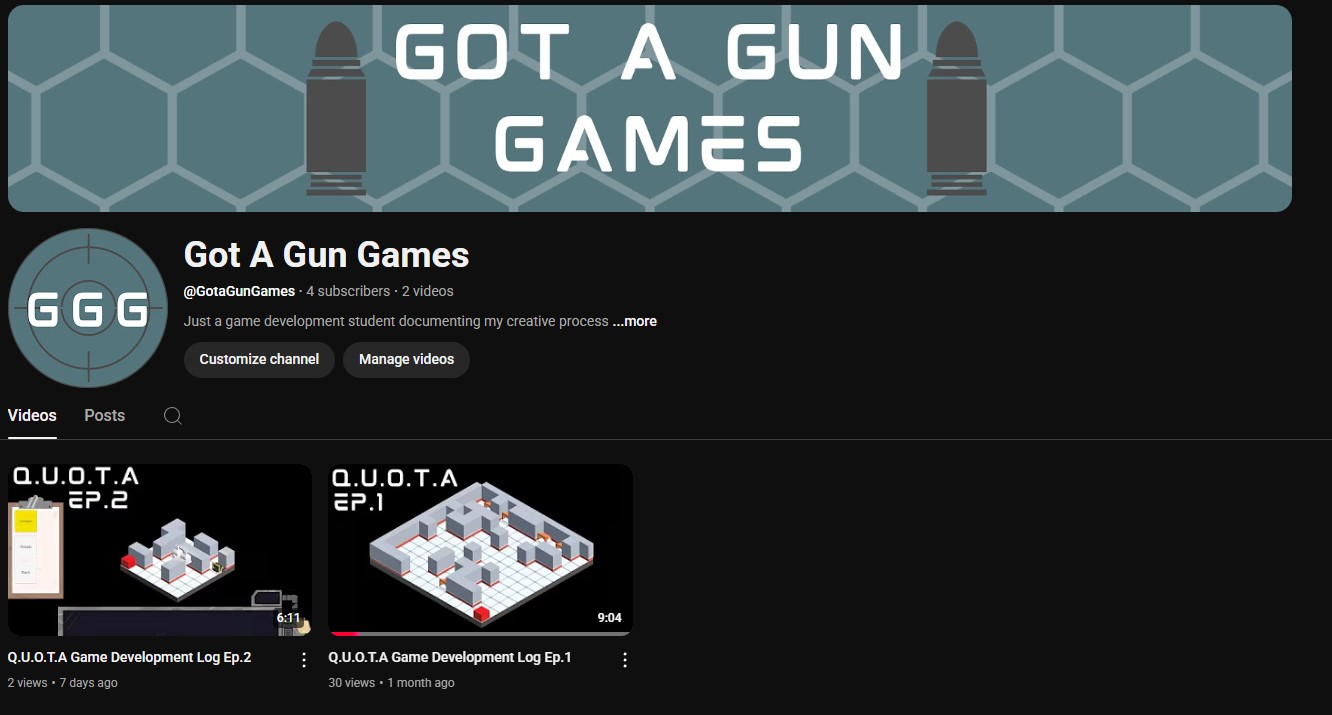
YouTube Channel
1.2 Purpose of the Campaign
The campaign's purpose was to establish an online personal brand while gaining the attention of potential employers and clients.
1.3 Industry Relevance
The game development and design industry maintains a high online presence, especially on platforms such as LinkedIn. So, using the platform allowed for an outlet of professional expression targeted at this desired industry. All my posts needed to consider the target audience and industry relevancy.
1.4 Approach to the Project
This project required an approach with an open mind and hopeful professionalism. My experience with social media until this project was relatively limited, so significant research and mimicking successful profiles' strategies were required.
1.5 Skills and Learning Outcomes
The project focused on developing several skills in alignment with established learning outcomes. These skills included, but were not limited to, branding, content creation, graphic design, time management/planning, storytelling, and hashtag use.
1.6 Personal Goals
Ultimately, this campaign aimed to establish my brand, through which I could reach out to employers, create industry connections, be discovered, and show my design philosophy. Emphasis was placed on maintaining consistency across all facets of my online presence, from my portfolio to my LinkedIn profile and everything in between. Several SMART goals were set to track the progress and success of the campaign based on the end goal.
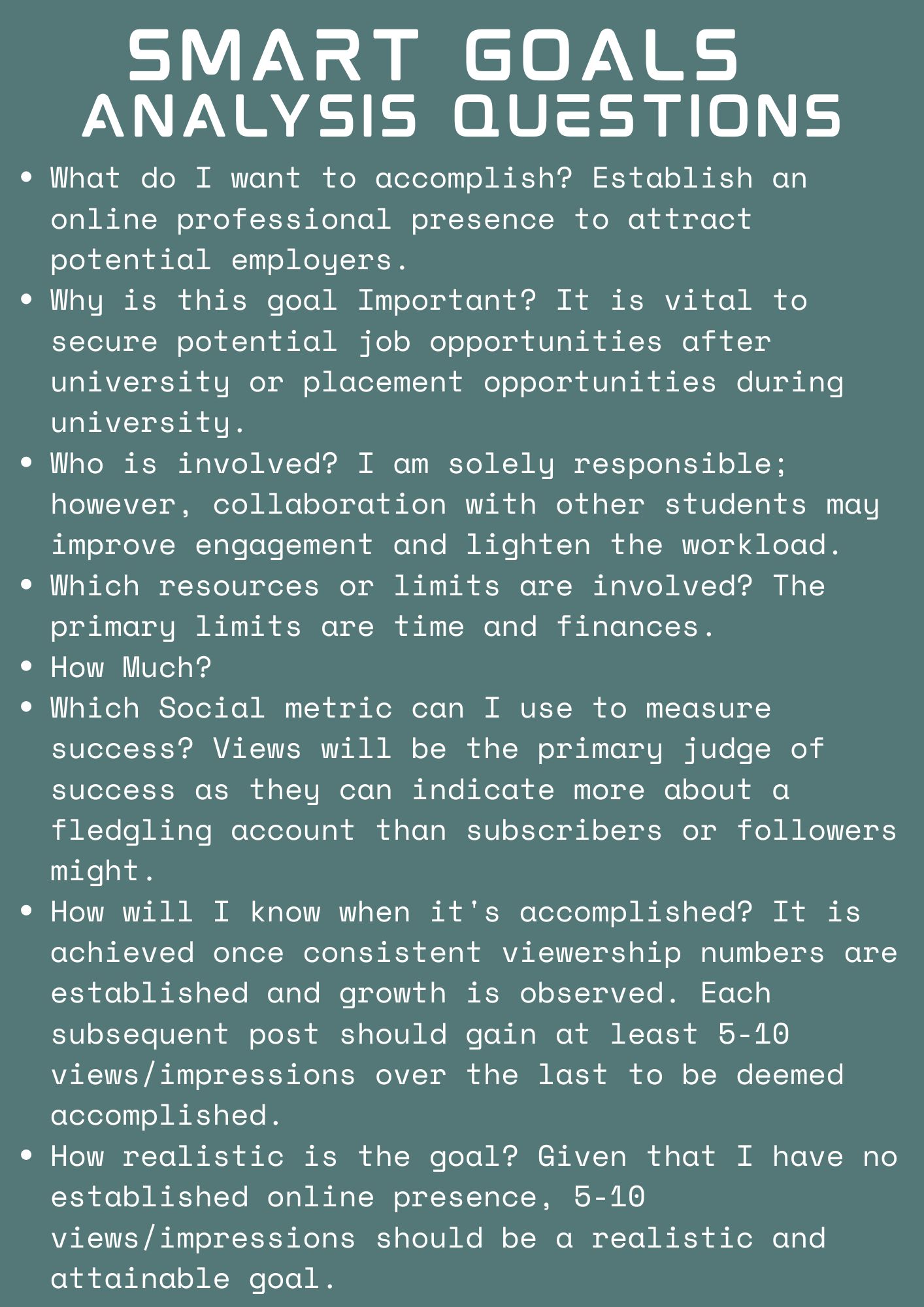
Smart Goal Analysis Process Part 1
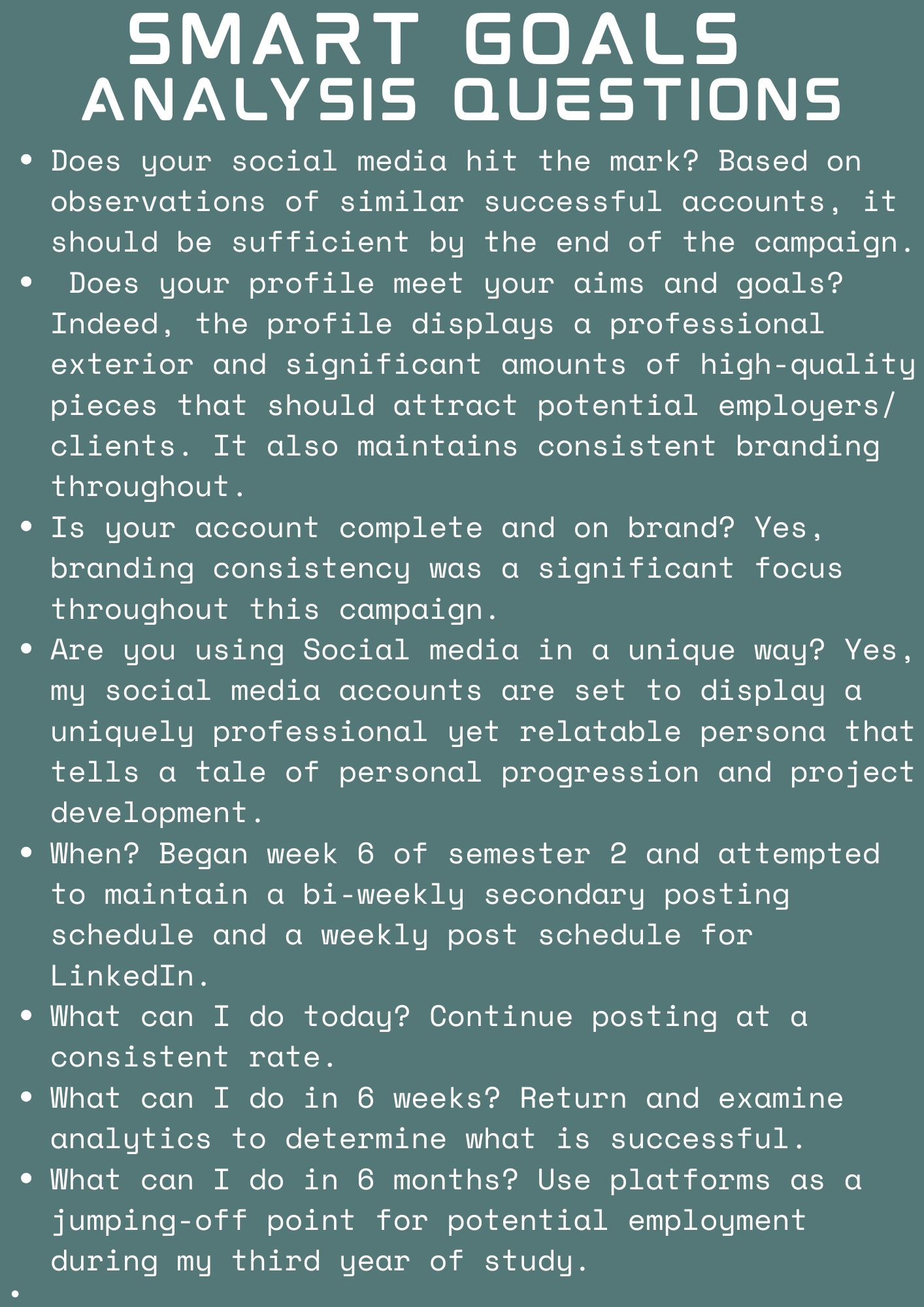
Smart Goal Analysis Process Part 1
2.0 Idea Development
2.1 Initial Concepts
Several ideas and platforms were explored before a final decision was made. Three platforms—Instagram, TikTok, and YouTube—were selected for further research. They were chosen for their high user base and general popularity, which were deemed ideal for the quick growth of a newly established account.
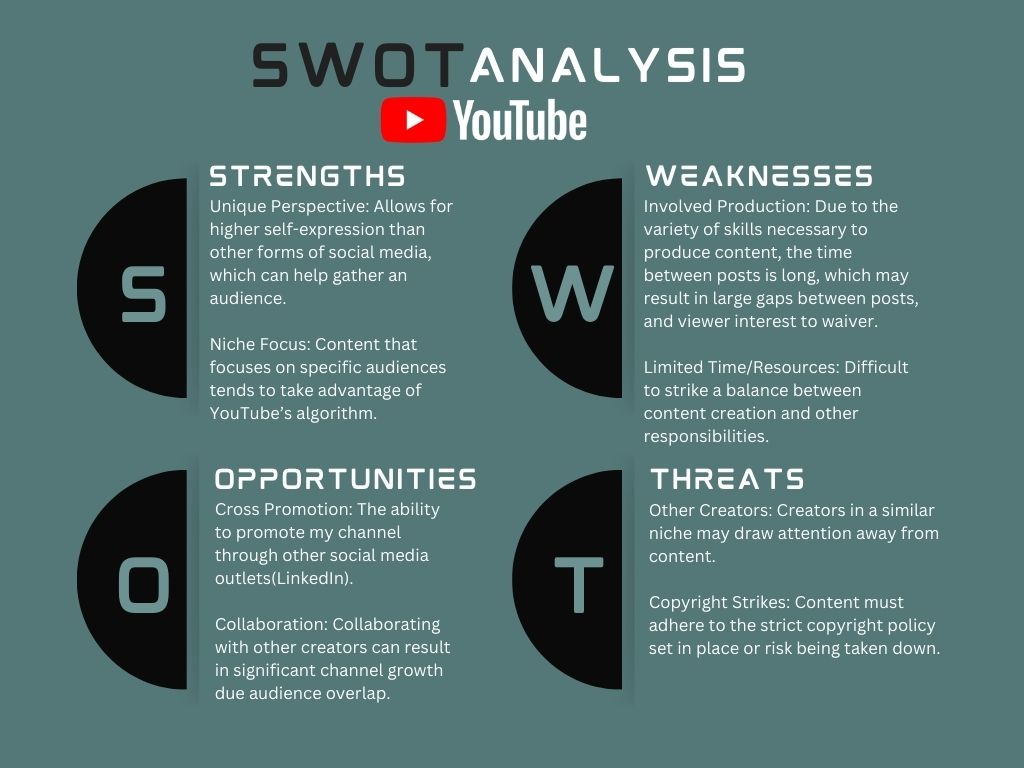
YouTube SWOT Analyis
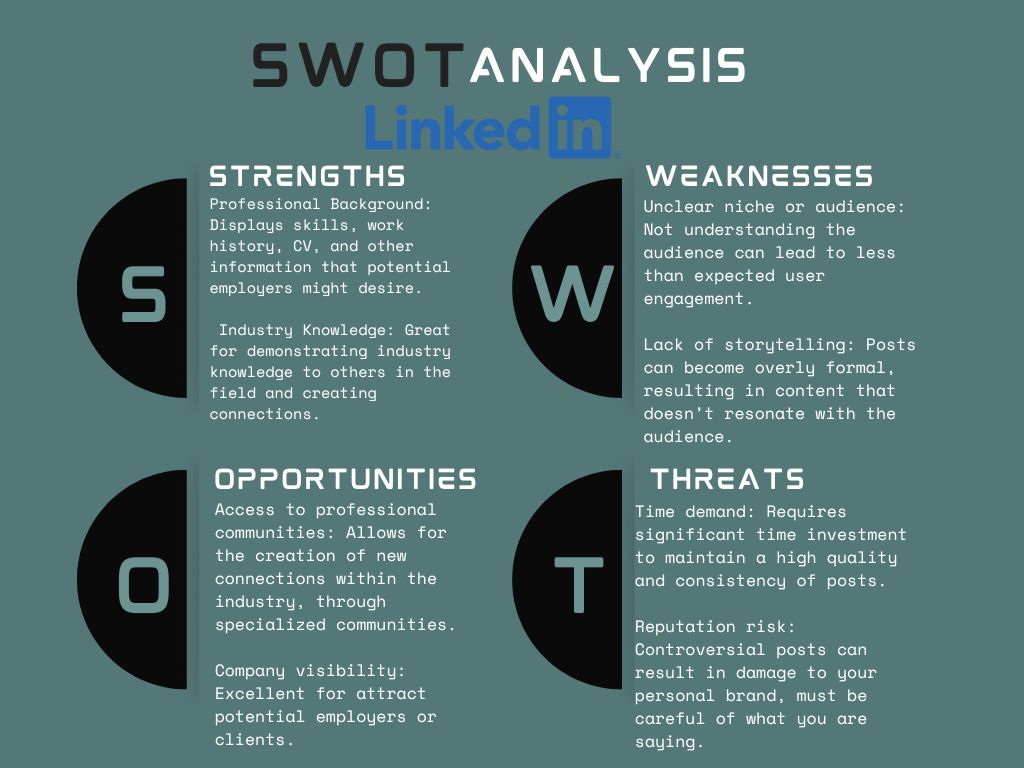
LinkedIN SWOT Analyis
2.2 Discarded Concepts
Instagram was quickly ruled out as a possible option due to its limited game development and emphasis on images over videos. Videos are vital for displaying game development mechanics, so this was not ideal. Unfamiliarity with the platform and personal bias against it also contributed to its being discarded so early into planning.
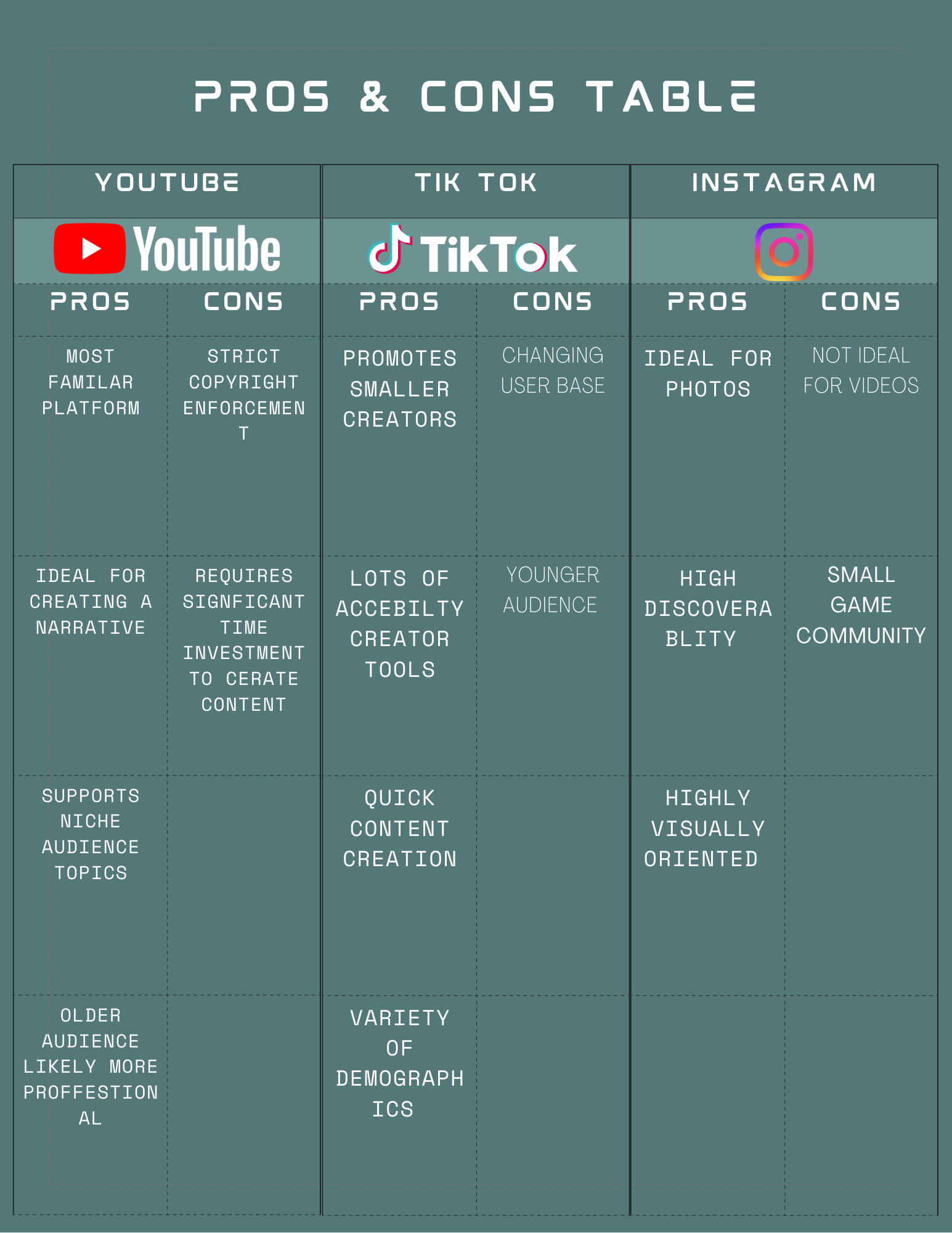
Pros and Cons Table
2.3 Rationale for Chosen Concept
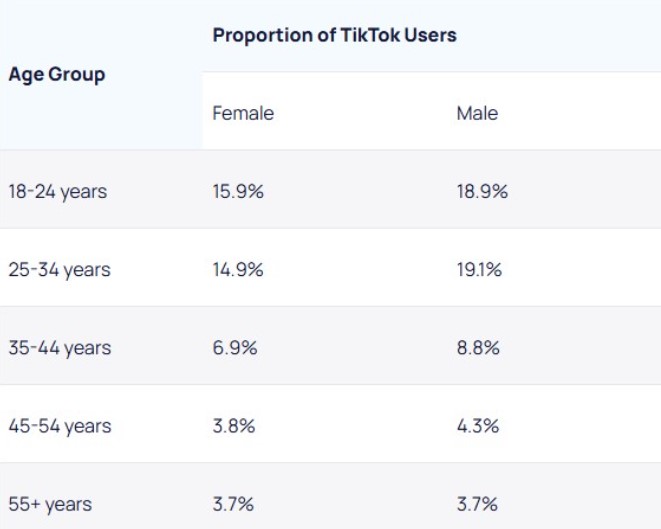
The decision was made between TikTok and YouTube. Both had advantages and disadvantages, but ultimately, the two deciding factors were gender distribution and familiarity. Studies show that video games are slightly more popular with men. According to Womeningame.com, about 53% of gamers identify as male, while only 46% identify as female. Given this statistic, it was determined to be ideal to focus on a male-dominated platform. In 2022, according to Sproutsocial.com, 56% of TikTok users were female and 44% were male. YouTube has remained at a 54% male audience(Ceci, 2025). However, TikTok has grown in male users in recent years, and as of 2025, it now consists of 54% male users(Duarte 2025). However, due to the changing demographics of TikTok, YouTube was still deemed preferable with its male-dominated, stable user base. YouTube was ultimately selected due to my familiarity with the platform.
YouTube User Disturbution (Ceci,2025)
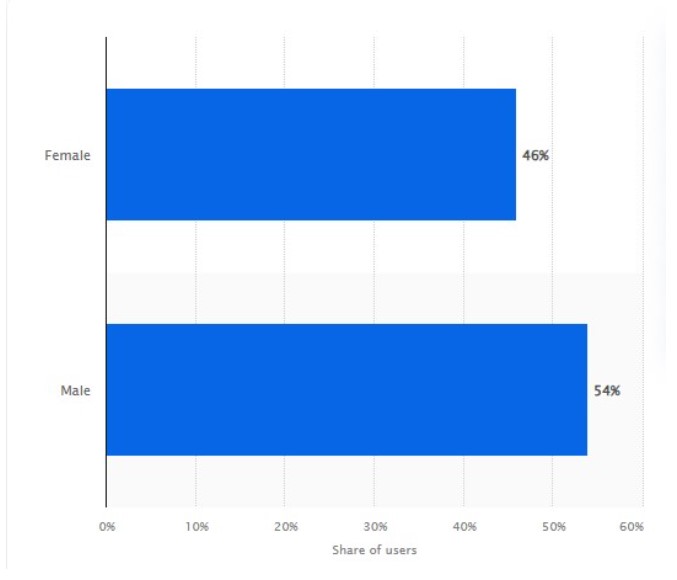
TikTok Demographic Chart (Duarte,2025)
3.0 Iterative Design Process
3.1 Prototyping Phase
Initial Prototyping began with observations of other social media accounts to determine popular trends and consistent themes. Observations focused on elements such as what terminology was typically used, what hashtags were used, how posts were formatted, etc. After this research was concluded, steps were made to establish a posting schedule. A schedule was deemed a priority as it is vital to maintaining user engagement. It also reveals qualities and qualifications that are not easily defined(Chen, Rui, Whinston, 2021). Qualities include, but are not limited to, time management and artistic vision consistency. These qualities are often highly desired by employers, but are difficult to reveal through traditional interview methods and remain significantly more visible through a person's social media or personal branding.
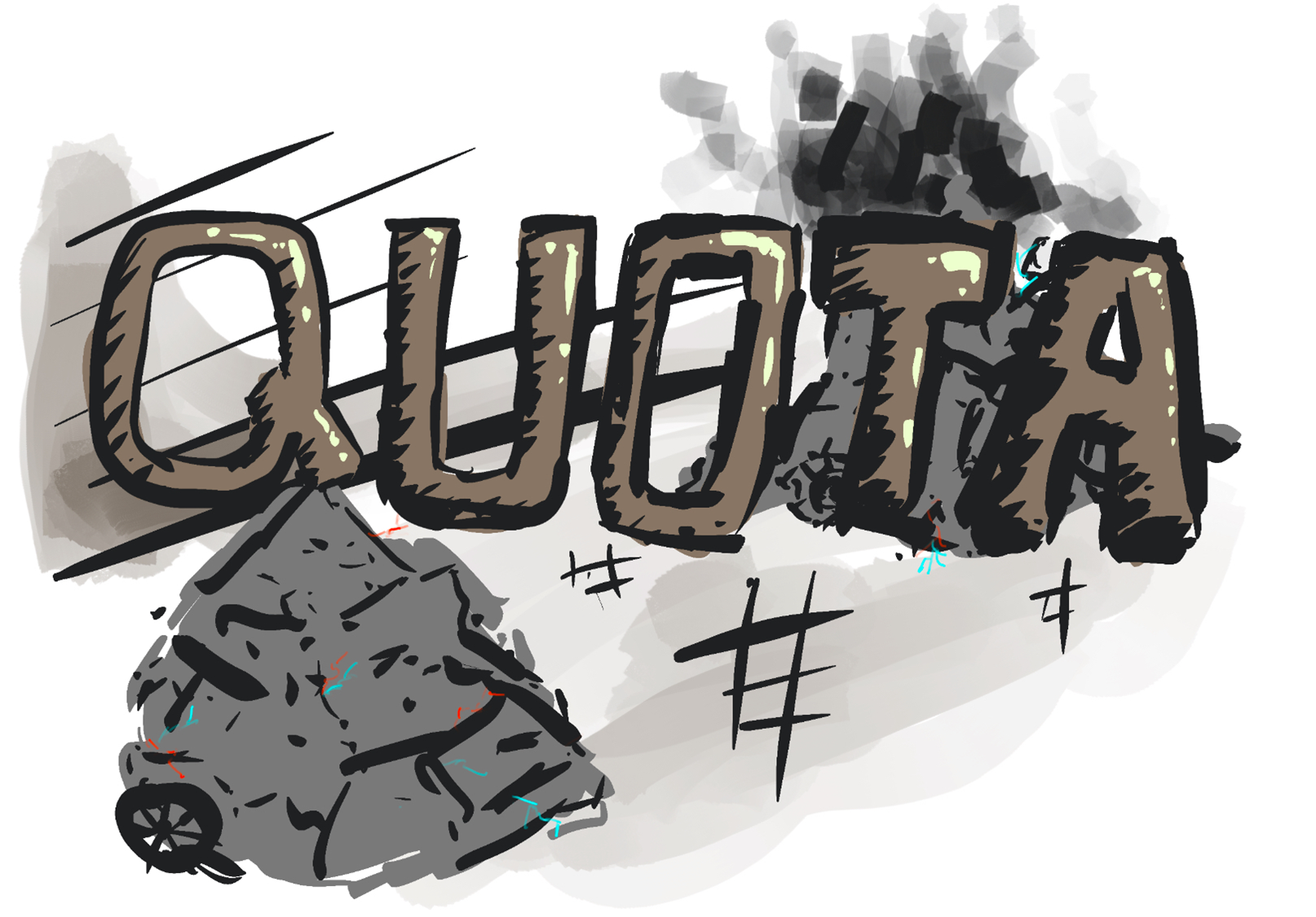
Original Thumbnail Artwork by Taliesin Murray
3.2 Testing and Feedback
Testing was conducted via the initial posting on both platforms. Each post was uploaded and modified based on comments and peer feedback. After these initial posts were taken down, they were reuploaded to fit the newly adapted style based on the input. On LinkedIn, viewers and peers enjoyed the content overall. Still, they occasionally found some images confusing due to image quality.
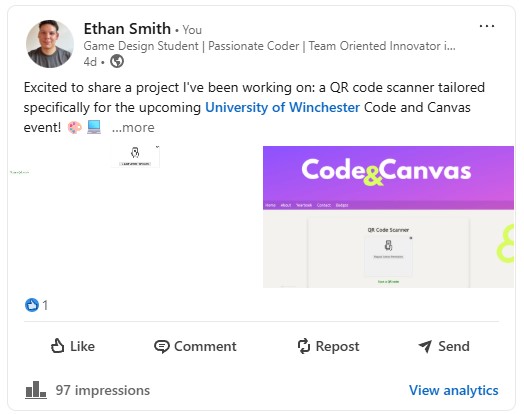
Unclear Post Example
3.3 Revisions Made
Later, LinkedIn posts were revised to have better image quality after a change in workflow, which remedies the issue of image upscaling before posting. A brand guideline document was created for YouTube to maintain consistency and professionalism between my portfolio page and the YouTube channel. This was done due to user and peer feedback, which agreed that the initial upload did not appear professional. The initial upload borrowed the logo artwork created for the Q.U.O.T.A client project, but it was later changed to a custom thumbnail created using the brand guidelines. Users also found YouTube content too long; the initial video documenting episode one of game development for Q.U.O.T.A. was deemed too long, and users typically stopped watching very quickly. Analytics show a steep drop in viewership within the first minute and a half of the video. However, about 25% of viewers continued watching till about the 5-minute mark. A minute was deemed too short to convey all the necessary information. Videos were shortened to five minutes, as viewership dropped to as low as 10% past that point, but could remain at about 25% before it. So, using this analytical data, the video production pipeline was adapted to focus on shorter five-minute videos, down from the original ten minutes.
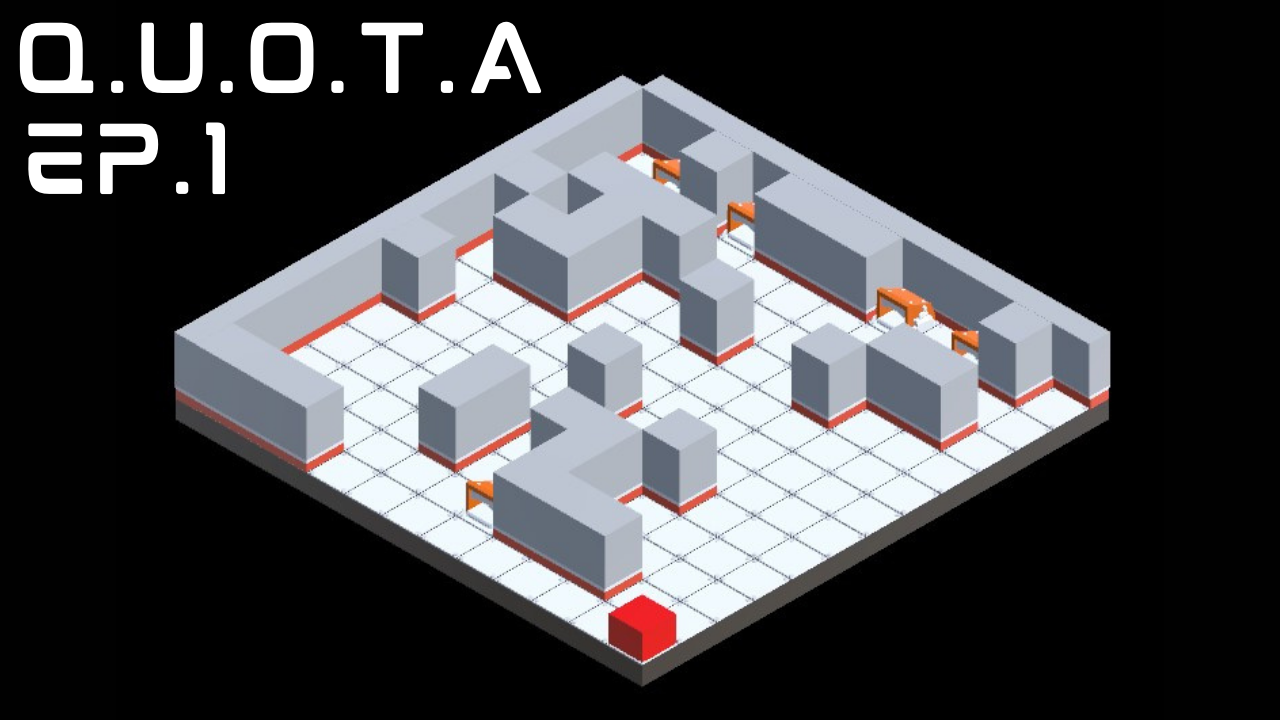
Revised Thumbnail Style
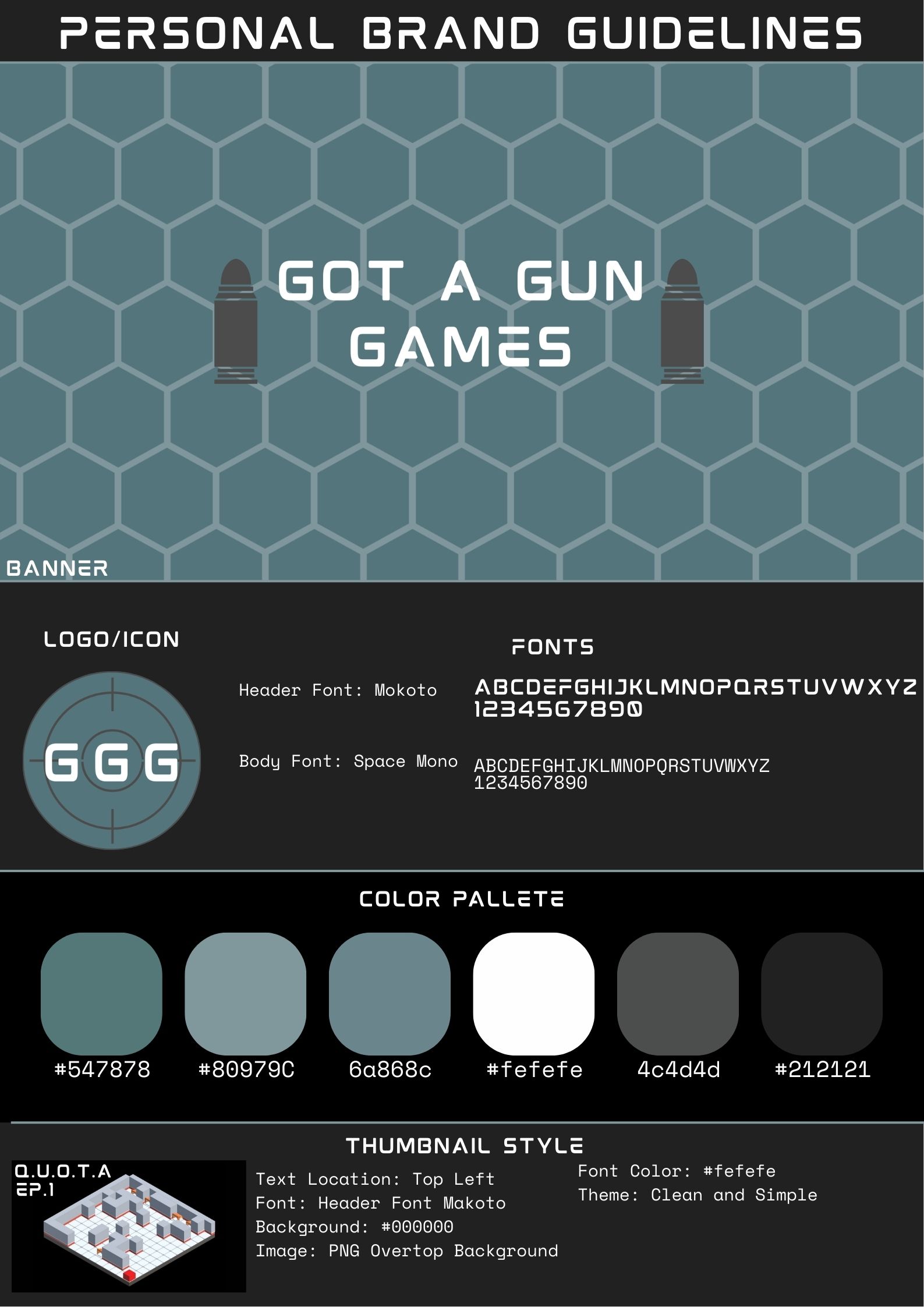
Personal Brand Guide Document
3.4 Final Outcome of the Iterative Process
The outcome of this social media campaign was a newly established and growing personal brand based on LinkedIn and YouTube platforms, with an emphasis on professionalism and brand consistency. These profiles display the creative development process used throughout my university, demonstrating desirable qualities to potential employers, clients, and industry professionals. Viewer feedback was used to advance these profiles, adhere to professional standards, and increase engagement/entertainment.
4.0 Digital Assets
4.1 Programs and File Formats
Post creation was primarily done in a few key programs. Canva was used to create timelines, internal documents, and thumbnails, which adhered to industry standards of file formatting, using PDF, PNG, and JPG. The format depended on the use; internal documents were typically formatted as PDFS or PNGS, while JPGS were used for post content. Issues arose when upscaling JPGS for posting, so images were taken in a higher resolution than necessary and downscaled to resolve the issue. Video content was also required, which was formatted in the standard video format of MP4. Raw footage was recorded in OBS Studio, then edited in Filmora before being uploaded to YouTube. Footage was gathered in Unity to demonstrate the game development process. All software selected was chosen due to familiarity with the software, which allowed for more advanced content creation in the given time. While there may be better alternatives, software time was a factor and learning new software takes a significant time investment. So, while ideally I would have used highly rated and well-known industry software such as Adobe Illustrator(graphic design) or Adobe Premiere Pro(video editing), this was not feasible given time constraints.
4.2 Asset Examples and Key Analytics
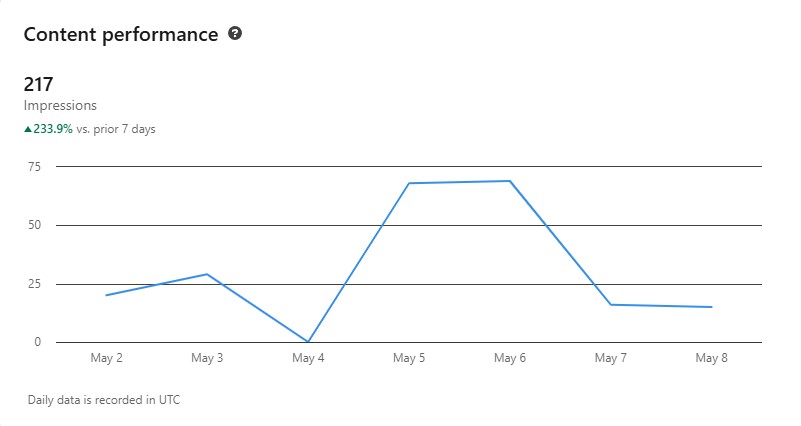
LinkedIn Post Impression Analytics
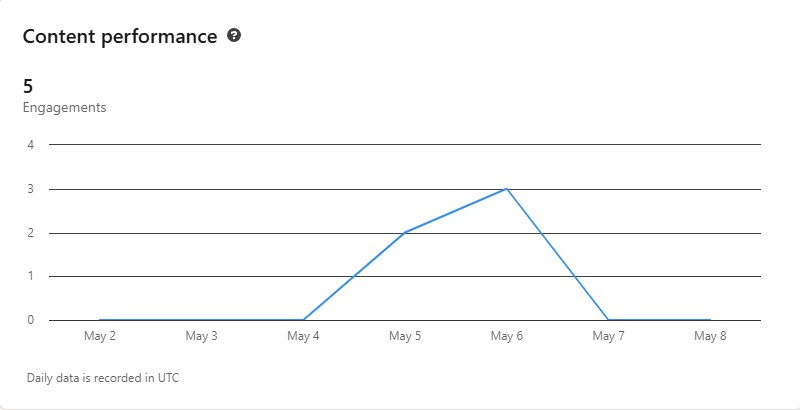
LinkedIn Post Engagement Analytics
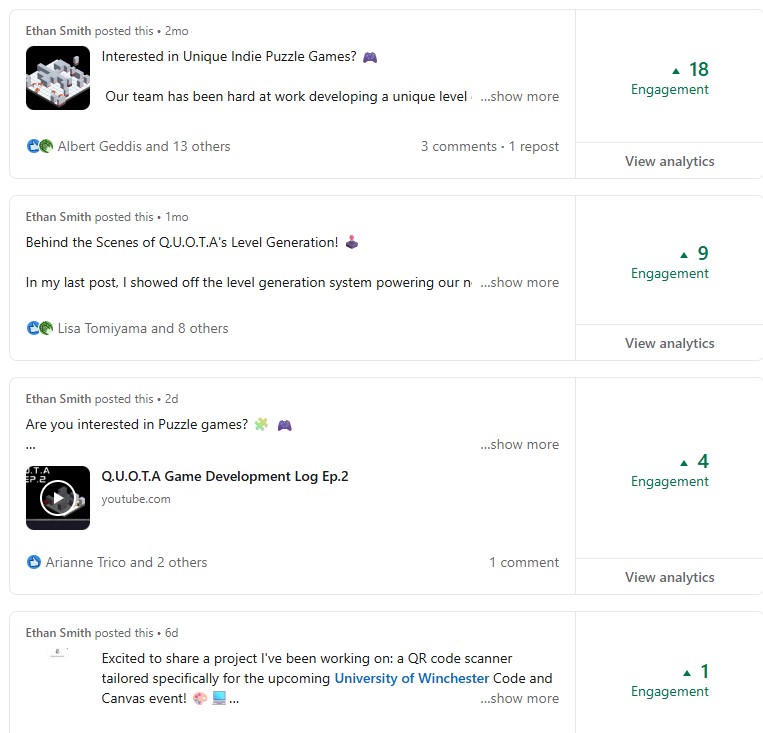
LinkedIn Overall Analytics
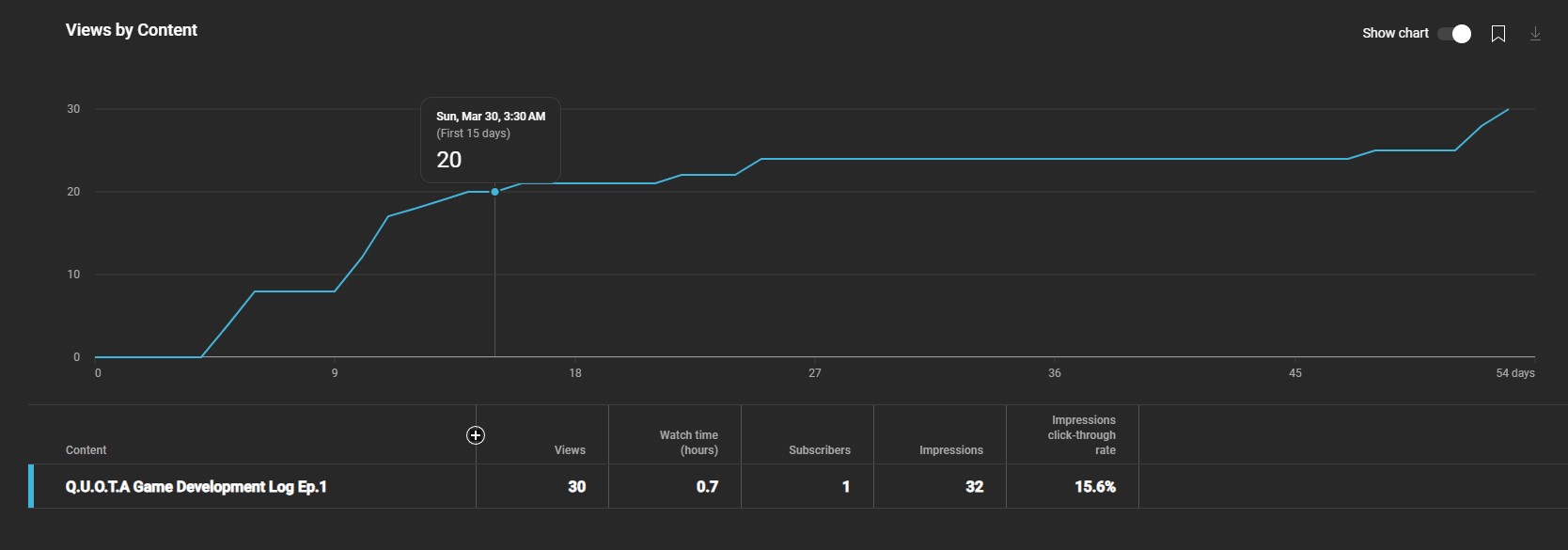
YouTube First Post Veiw Analytics
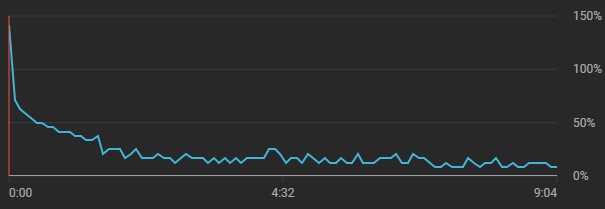
YouTube First Post Watch Time Analytics
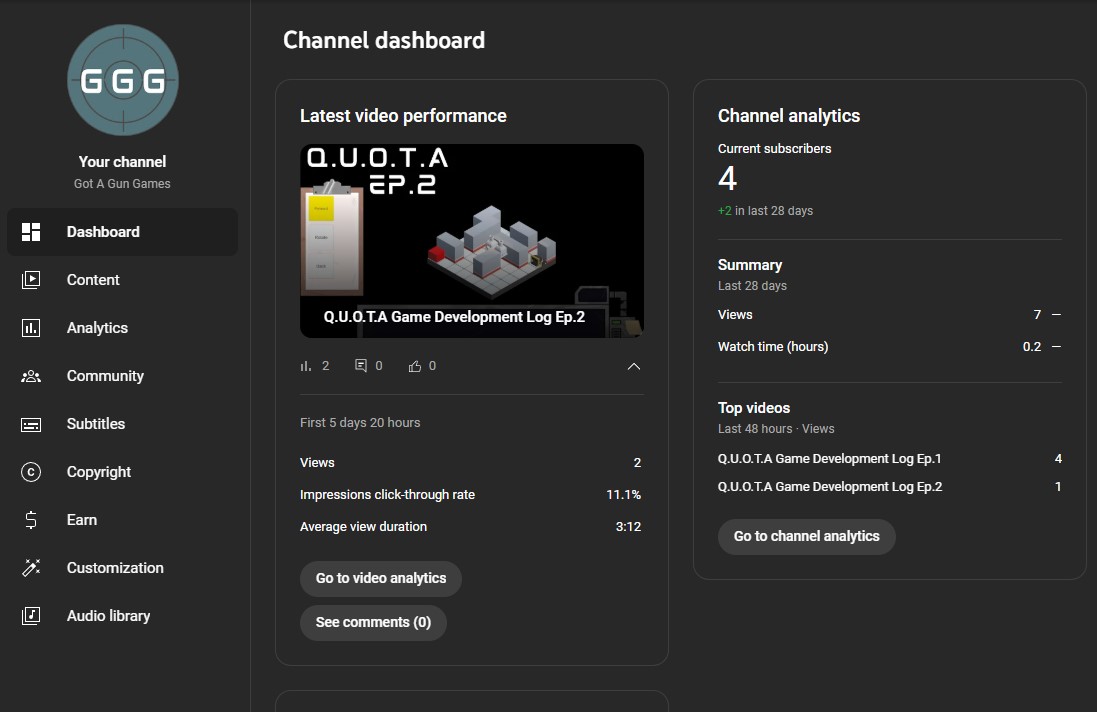
YouTube Latest Post Overall Analytics
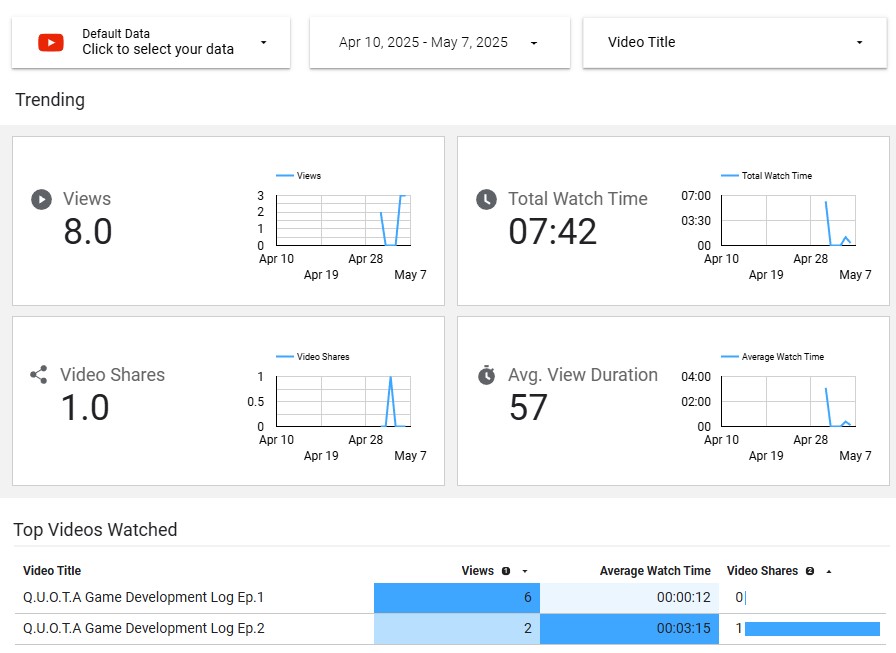
YouTube Overall Analytics
4.3 Self-promotion Strategy
As previously mentioned, much research and planning went into place to ensure the success of this campaign, including platform-specific tactics, post scheduling, and hashtag usage. All three of these elements were deemed vital to achieve the goal of this campaign. A post schedule was created in the first 6 weeks of the campaign, and the following 6 weeks' worth of content posting and other related tasks were outlined. This schedule was designed to utilise both platforms to the fullest. LinkedIn was used to give behind-the-scenes insight on upcoming projects to build interest about a week before the release of the scheduled YouTube video. Then the next post would consist of promoting the YouTube video, advertising it and gaining viewership. The YouTube video creation process provided content to post about on LinkedIn while LinkedIn could be used to further advertise the video directly to the target audience. A plan was also drafted to include short-form video content(TikTok/YouTube shorts) to promote the videos similarly. Still, it was cancelled again due to general workload and time constraints. According to research, posting time was a significant factor in the success of social media content. At the same time, this was not included on the schedule as it encompassed a more long-term strategy, but it was still significantly considered. Research shows that content performs best on YouTube when posted between 3 pm and 5 pm (Lang,2025). And it was also found to perform better later in the week, such as Wednesday, Thursday, and Saturday. (Lang, 2025) QuickFrame.com also supports these times and days, suggesting posting anytime after noon on Thursday, Friday, and Saturday. (QuickFrame Team 2025). While for LinkedIn, studies showed optimal timing was on Tuesday, Wednesday and Thursday(Jahkar, 2025). While ideal times vary between days, 1 pm was acceptable for all, so this was the time selected for all posts made. Lastly, hashtags were used to promote posts in relevant areas; larger, more popular tags were used to reach further. These include #Unity, #C#, #UIUX and #IndieGame. While more content-specific tags were also included, they were often less popular but better described the content within. These included tags such as #puzzlegame, #GameDev, and #GameMovement. Significant thought, planning, and preparation were included in every video or image-based post.
5.0 Sustainability & UN SDG 17
5.1 Connection to UN SDG 17
Part of this assignment's criteria addressed UN SDG 17, but what is UN SDG 17? The Sustainable Development Goals (SDGS) are goals that the UN(United Nations) set to create a better, more sustainable world. SDG 17 specifically addresses strengthening, implementing, and revitalising global sustainability partnerships (United Nations, 2024). To simplify, it is all about fostering collaboration and community engagement. In Jürgen Salenbacher’s book, Creative Personal Branding: The Strategy to Answer What's Next, he explains how the UN, in their 2010 Creative Economy Report they define creative economy as an evolving concept based on creative assets, potential to generate economic growth, income generation, job creation, while promoting social inclusion. (Salenbacher, 2013) Through the use of this explanation, the process of explaining the connection is exponentially more straightforward. As defined by the definition, a social media campaign falls under the guise of the creative economy. This gives it the potential to generate economic growth, income generation, and job creation. These potentialities provide further room for the evolution and expansion of the campaign to bring communities together and create collaboration opportunities, which is ultimately the goal of SDG 17.
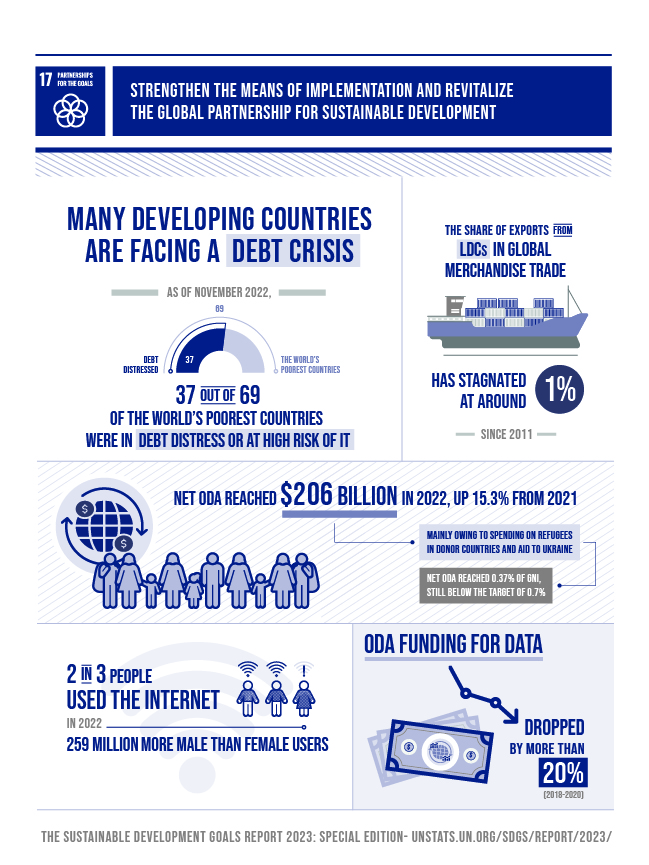
SDG 17 Poster (United Nations,2024)
5.2 Reflection on Impact and Longevity:
This campaign primarily focused on social and economic sustainability, with environmental sustainability as a reduced subsection. As stated, the campaign adds to social and economic sustainability by fostering communication between individuals within the industry, attracting new views to promote the industry and creating potential economic opportunities for economic growth, such as employment or income generation. It, however, does consider the effects of environmental sustainability, as effective use of social media is a highly sustainable method of self-promotion compared to most traditional means of promotion, such as using business cards, sending out resumes, or printed portfolios. All of these methods typically create significant waste as a result of their single use of resources. Social media allows for further reach than these other methods with a lower environmental impact. As a result, it promotes social and ecological sustainability.
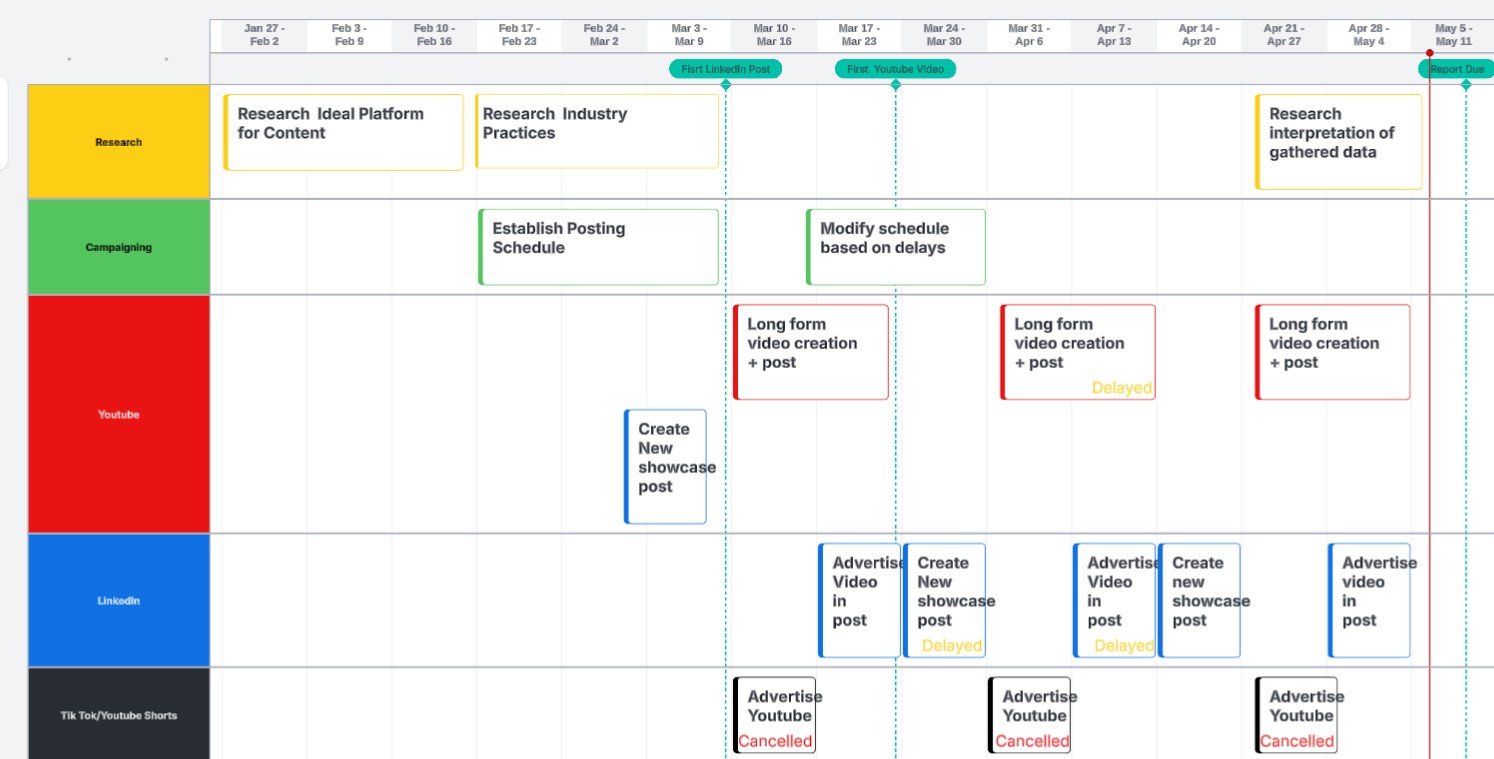
Posting Schedule
6.0 Sustainability & UN SDG 17
6.1 Key Successes
The campaign had outstanding success with the established cross-promotion strategy. Before implementing the approach, video views were down significantly, as seen in the viewership chart. Viewership, however, quickly began to rise shortly after a post was uploaded to LinkedIn promoting the video. The approach also allowed for efficient use of time and simultaneous content production for both platforms, allowing for the allocation of extra resources to further research. The development and video production pipeline provided content to post on LinkedIn, showing off the behind-the-scenes professional side. In contrast, LinkedIn provided a platform to promote my YouTube channel further.
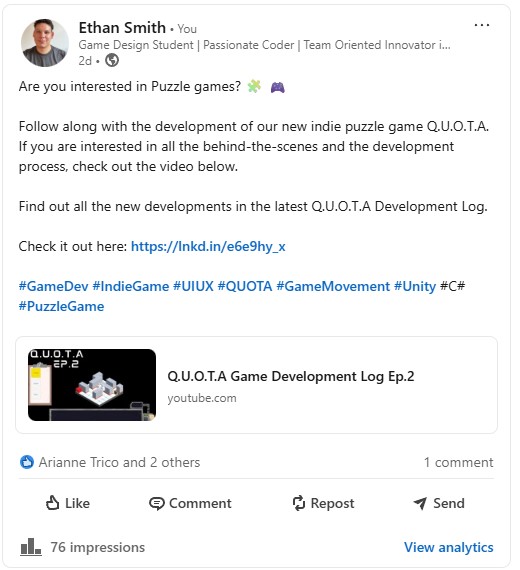
Cross Platform Promotional Post
6.2 Challenges and Solutions
The most significant hurdle throughout this project was the limited time. Only so many hours are available to produce quality work up to a professional standard. Planning, research, and posting all take time to achieve, but it was found to be overwhelming in addition to learning video editing. So, to overcome this challenge, changes in the schedule were made to account for them. These changes include adopting the cross-promotion strategy, which allowed the creation process to become a part of the content. Another step taken was the cancellation of short-form video content. This change significantly lightened the workload and allowed for higher consistency of post content.
6.3 Future Development
This personal branding campaign will be broadened for future development to encompass other platforms beyond the already established ones. This would likely involve adding an associated TikTok account or YouTube shorts posts. Including an Instagram account in the branding ecosystem would likely be the next step. A priority is to better account for delays in the posting schedule, which could look like establishing backup plans for posting to ensure greater consistency across all platforms. A production delay within the campaign's duration significantly hindered user engagement, reducing views/impressions across both platforms due to the established interconnected posting strategy.
7.0 Reference List
- Lang, K. (2025). When is the Best Time to Post on YouTube? 1 Million+ Videos Analyzed. [online] Buffer: All-you-need social media toolkit for small businesses. Available at: https://buffer.com/resources/best-time-to-post-on-youtube/. [Accessed 6 May 2025].
- Jahkar, O. (2025). What is the Best Time to Post on LinkedIn? [online] SocialPilot. Available at: https://www.socialpilot.co/blog/best-time-to-post-on-linkedin. [Accessed 6 May 2025].
- United Nations (2024). Goal 17 | Department of Economic and Social Affairs. [online] sdgs.un.org. Available at: https://sdgs.un.org/goals/goal17. [Accessed 8 May 2025].
- QuickFrame (2024). When Is the Best Time To Post on YouTube in 2024? - QuickFrame. [online] QuickFrame. Available at: https://quickframe.com/blog/best-time-to-post-on-youtube/. [Accessed 8 May 2025].
- Duarte, F. (2025). TikTok user age, gender, & demographics (2025). [online] Exploding Topics. Available at: https://explodingtopics.com/blog/tiktok-demographics. [Accessed 8 May 2025]. Women in Games. (2024). ESA REVEALS LATEST US GAMER DEMOGRAPHIC DATA. [online] Available at: https://www.womeningames.org/esa-reveals-latest-us-gamer-demographic-data/. [Accessed 8 May 2025].
- Women in Games. (2024). ESA REVEALS LATEST US GAMER DEMOGRAPHIC DATA. [online] Available at: https://www.womeningames.org/esa-reveals-latest-us-gamer-demographic-data/. [Accessed 8 May 2025].
- Chen, Y., Rui, H. and Whinston , A.B. (2021). Tweet to the Top? Social Media, Personal Branding and Career Outcomes. MIS Quarterly, [online] 45(2), pp.499–533. doi:https://doi.org/10.25300/MISQ/2021/14617. [Accessed 8 May 2025].
- Salenbacher , J. (2013). Creative Personal Branding: The Strategy to Answer What’s Next. 1st ed. [online] Building Het,Sieraad Posjesweg 1, 1057 DT Amsterdam, The Netherlands: BIS Publishers, pp.1–100. Available at: https://ebookcentral.proquest.com/lib/winchester/reader.action?docID=4045029&c=RVBVQg&ppg=22 [Accessed 8 May 2025].
8.0 Bibligraphy
- Brian Sloan Artist (2021). How To Use Google To Find Copyright-Free Images. [online] YouTube. Available at: https://www.youtube.com/watch?v=gLBzcR2IBVI [Accessed 6 May 2025].
- Anon, (2021). 10 Free Eye Tracking Software Programs [Pros and Cons] - iMotions. [online] Available at: https://imotions.com/blog/insights/trend/free-eye-tracking-software/. [Accessed 6 May 2025].
- www.youtube.com. (n.d.). - YouTube. [online] Available at: https://www.youtube.com/watch?v=WxWjt6_-waY [Accessed 6 May 2025]
- NNgroup (2022). Writing for Social Media. [online] YouTube. Available at: https://www.youtube.com/watch?v=0A4Bx3mq1tM. [Accessed 6 May 2025].
- Olafson, K. and Tran, T. (2019). Social Media Image Sizes: A Quick Reference Guide for Each Network. [online] Hootsuite Social Media Management. Available at: https://blog.hootsuite.com/social-media-image-sizes-guide/. [Accessed 6 May 2025].
- HubSpot. (n.d.) 100 mission statement templates & examples. Available at:https://blog.hubspot.com/marketing/inspiring-company-mission-statements [Accessed 6 May 2025].
- Anideos. (2024). How 3D Visual Content Can Transform Social Media Strategy. [online] Available at: https://www.anideos.com/3d-visual-conten [Accessed 6 May 2025].
- Autodesk.com. (2024). Enhance Posts with Social Media 3D Images | Autodesk. [online] Available at: https://www.autodesk.com/in/solutions/using-3d-images-in-social-media [Accessed 6 May 2025]
- Kiely, T.J. (2021). 10 of the top social media campaigns of 2021. [online] Meltwater. Available at: https://www.meltwater.com/en/blog/top-social-media-campaigns. [Accessed 6 May 2025].
- Creative Boom (2018). 17 of the best student campaign designs for brands that need a little reinvention. [online] Creative Boom. Available at: https://www.creativeboom.com/inspiration/17-of-the-best-student-campaign-designs/. [Accessed 6 May 2025].
- https://www.facebook.com/robbfahrionfvg (2024). Marketing Strategies that 3D Modelling Companies Use. [online] Flying V Group. Available at: https://www.flyingvgroup.com/3d-modeling-marketing-strategies/. [Accessed 6 May 2025].
- www.linkedin.com. (n.d.). Learn How to Measure Engagement with Your LinkedIn Page. [online] Available at: https://www.linkedin.com/business/marketing/blog/linkedin-pages/linkedin-page-analytics-101-a-crash-course. [Accessed 6 May 2025].
- Linkedin.com. (2024). LinkedIn Ad Creatives – Best Practices | Marketing Solutions Help. [online] Available at: https://www.linkedin.com/help/lms/answer/a427348 [Accessed 8 May 2025].
- brand.linkedin.com. (n.d.). LinkedIn Brand Guidelines | LinkedIn. [online] Available at: https://brand.linkedin.com/en-us. [Accessed 8 May 2025].
- YouTube (n.d.). Brand Resources - How YouTube Works. [online] Brand resources - How YouTube Works. Available at: https://www.youtube.com/howyoutubeworks/resources/brand-resources/#logos-icons-and-color.[Accessed 8 May 2025].
- Pressman, A. (2019). Design Thinking: A Guide to Creative Problem Solving. 1st ed. [online] 711 Third Avenue, New York, NY 10017: Routledge. Available at: https://www.taylorfrancis.com/reader/read-online/0ff10da1-d849-41c8-bba5-0705df87eb99/book/epub?context=ubx [Accessed 8 May 2025].
- Labrecque, L.I., Markos, E. and Milne, G.R. (2011). Online Personal Branding: Processes, Challenges, and Implications. Journal of Interactive Marketing , [online] 25(1), pp.1–66. Available at: https://www.sciencedirect.com/science/article/pii/S1094996810000587 [Accessed 8 May 2025].
- developers.tiktok.com. (n.d.). TikTok for Developers | TikTok. [online] Available at: https://developers.tiktok.com/doc/getting-started-design-guidelines?enter_method=left_navigation. [Accessed 8 May 2025].
- Meta.com. (2022). Instagram brand assets and guidelines | Meta. [online] Available at: https://about.meta.com/uk/brand/resources/instagram/instagram-brand/. [Accessed 8 May 2025].