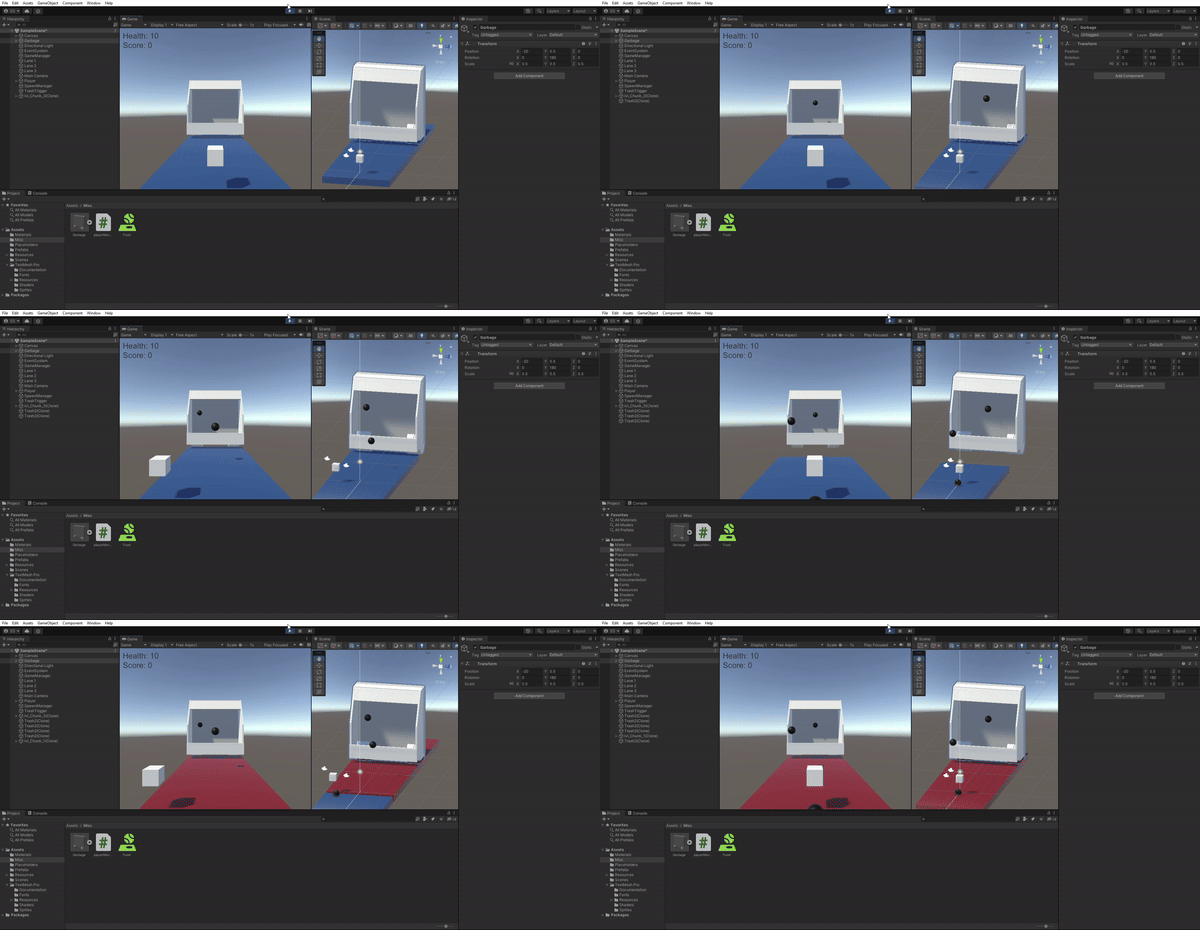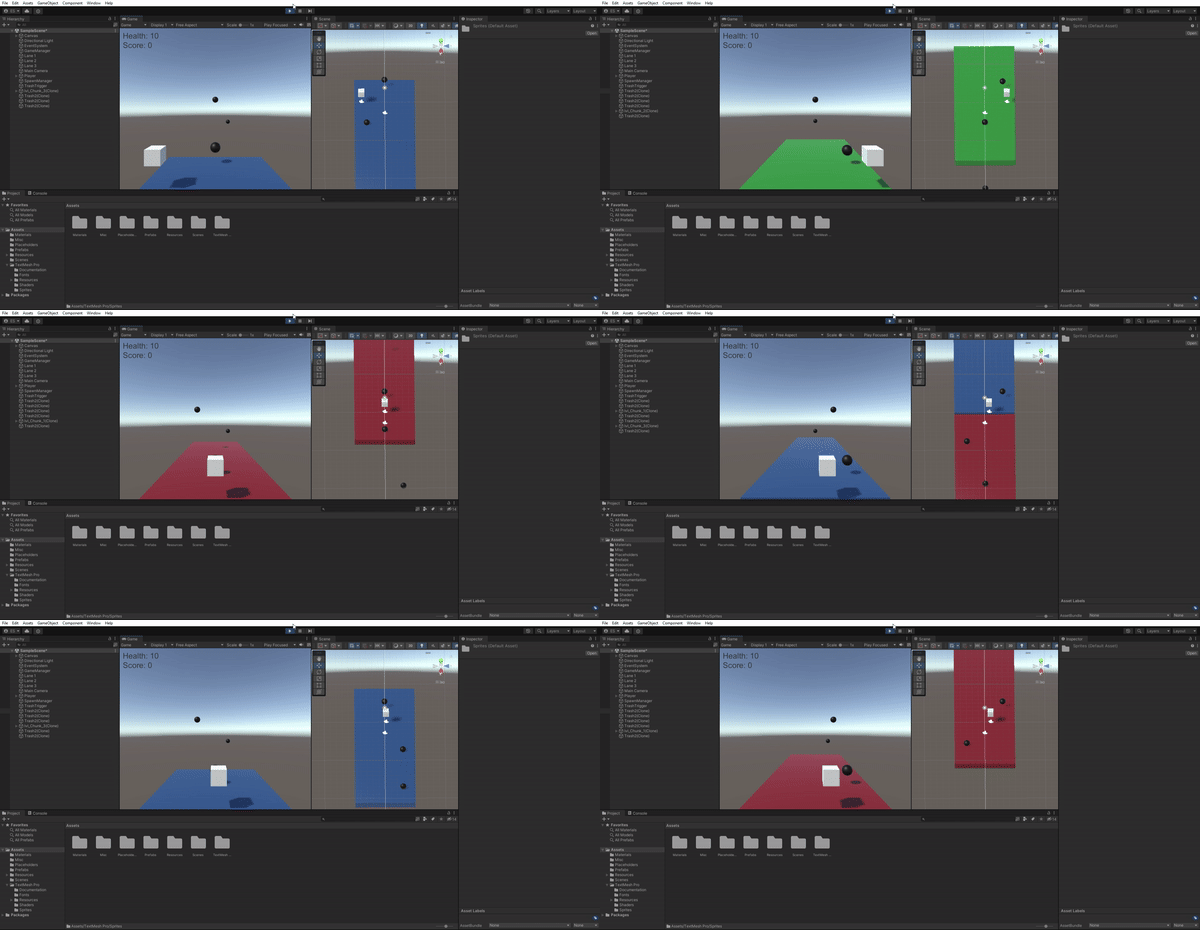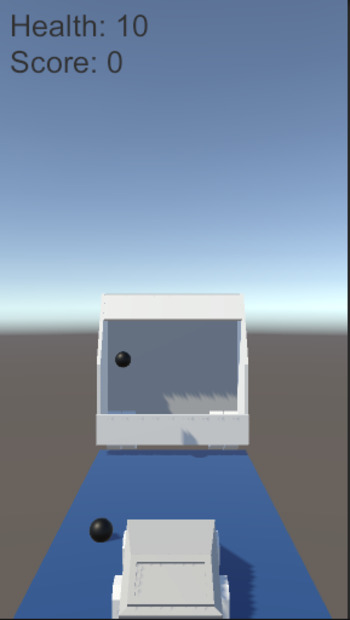
Clean Horizons is a low fidelity game demo created in the Unity game Engine. This game is a single player arcade style endless runner mobile game. Gameplay consists of collecting trash dropped from a garbage truck while collecting the power-up batteries dropped from that same truck in order to regain lost power/health and avoiding obstacles on the road. Much of the gameplay inspiration for Clean Horizons is derived from Subway Surfers, as it consists of a similar movement system and core gameplay loop. While the general art style was heavily inspired by that of Poly Bridge, however its unfinished state may not reflect that inspiration. Our goal with Clean Horizons was to use an entertaining core gameplay loop to encapsulate players, while subtly showing the benefits of recycling and sustainability. We also intended to make it highly available, thus the decision to target the game to a mobile audience in order to spread the message of suitability to a young impressionable audience. Overall, Clean Horizons attempts to offer players a fun and engaging gameplay loop while also encouraging them to reflect on the impact of their actions on the environment. Through its gameplay mechanics, it aims to inspire players to take small steps towards creating a cleaner, greener world for future generations.
Play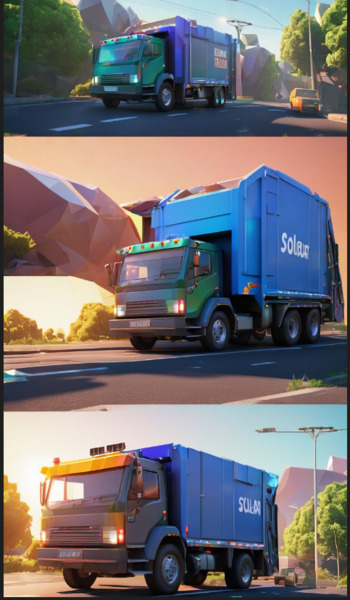
(AI Concept Art)
The Objective for this game project was to create a simple, fun and complete gameplay loop, targeted at young teens, and with an emphasis on suitability. Understanding these points we set our scope accordingly. Some of the decisions we made to account for the objective were:
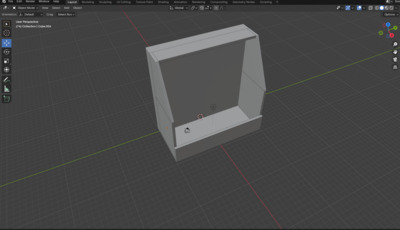
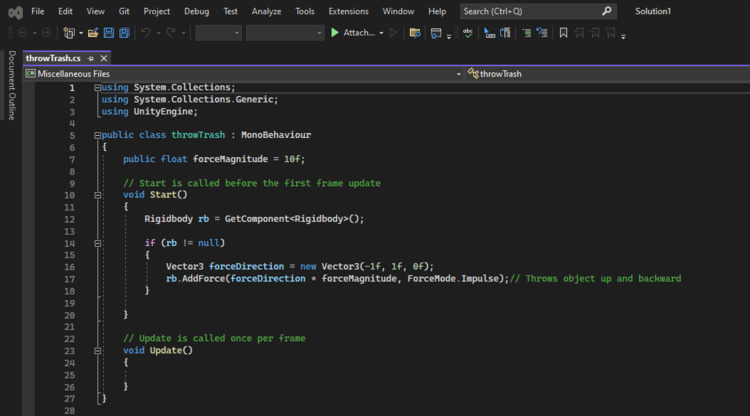
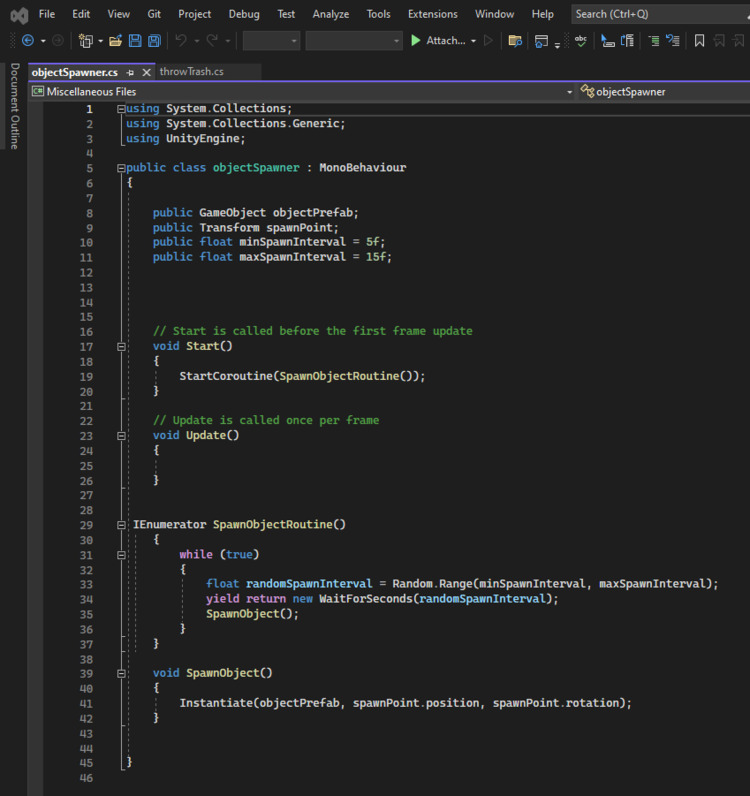
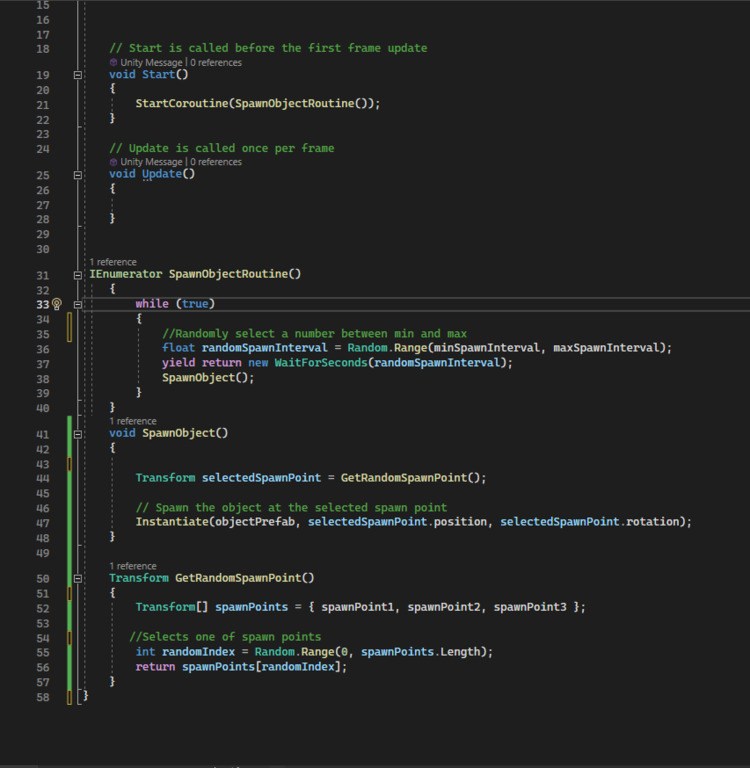
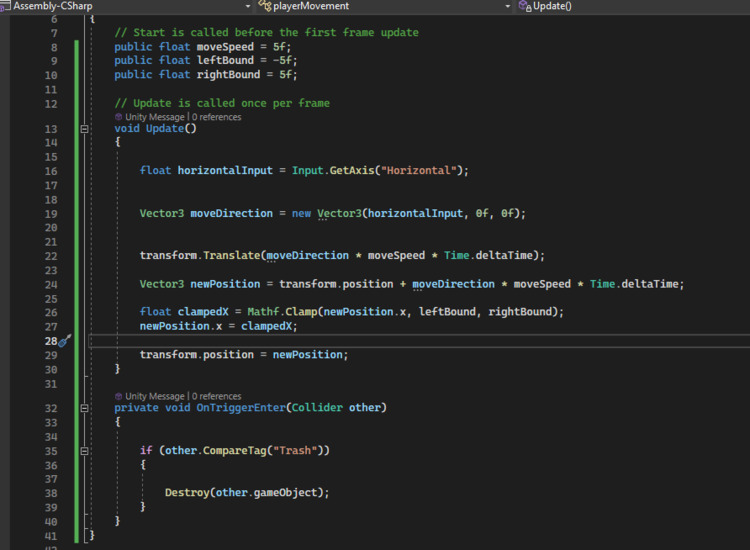
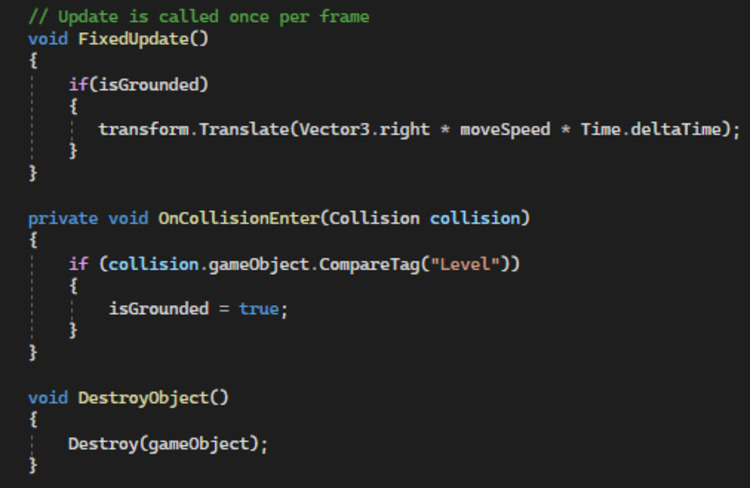
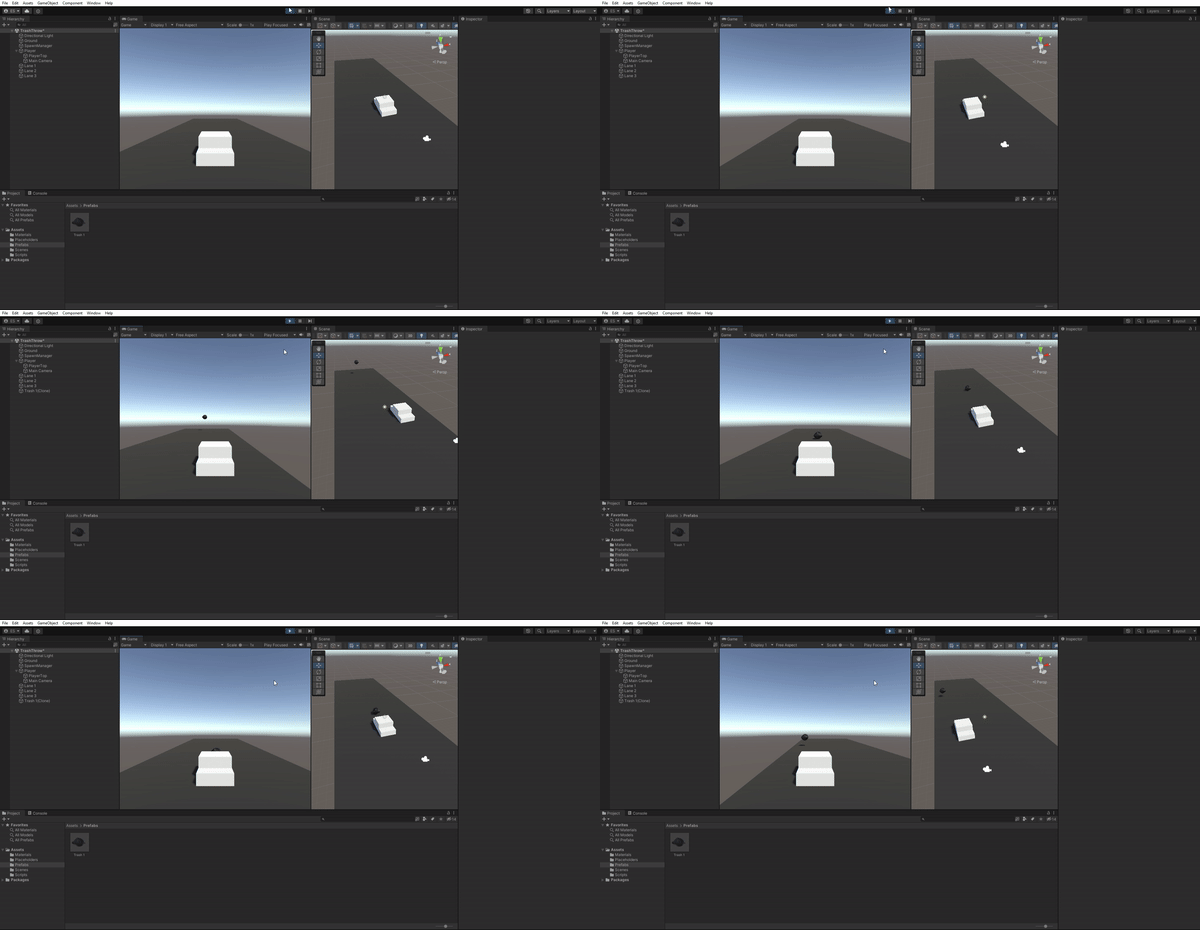
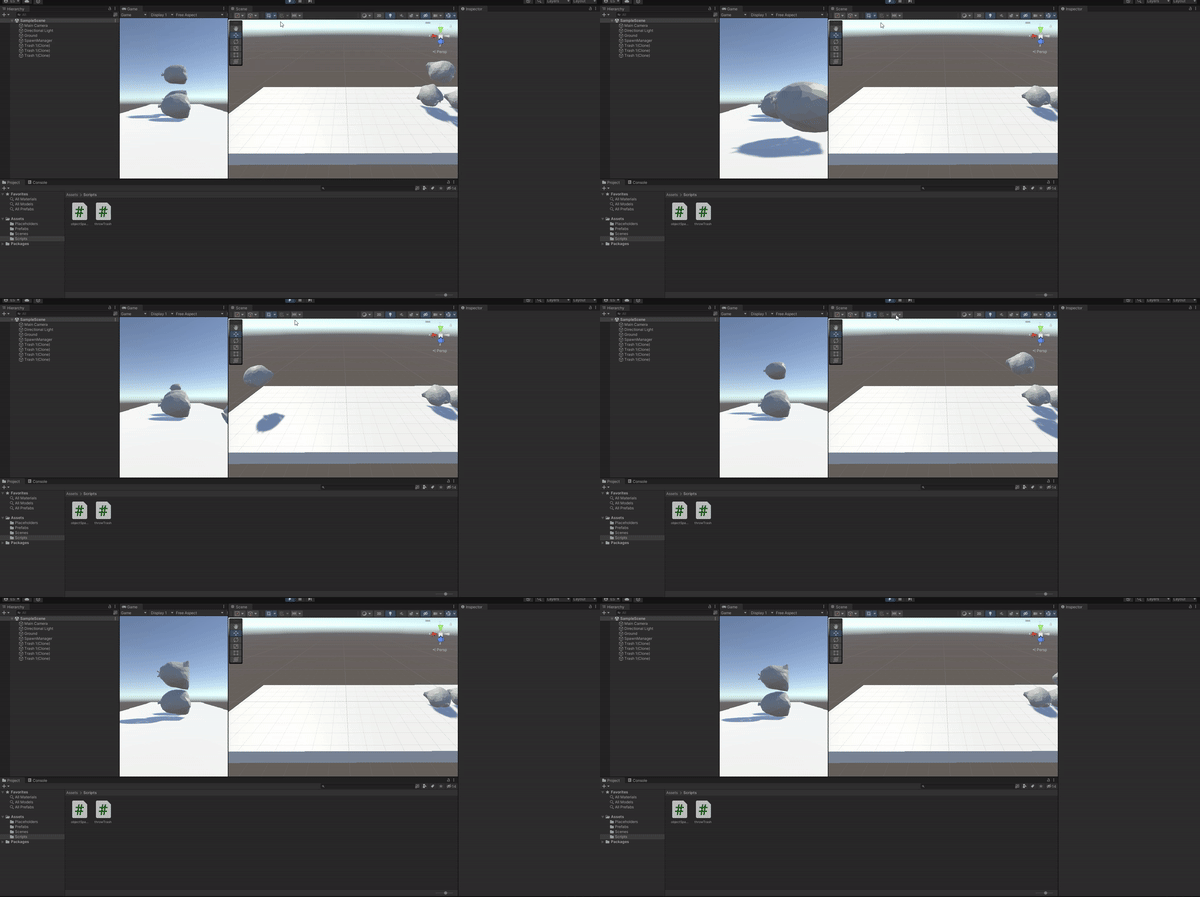
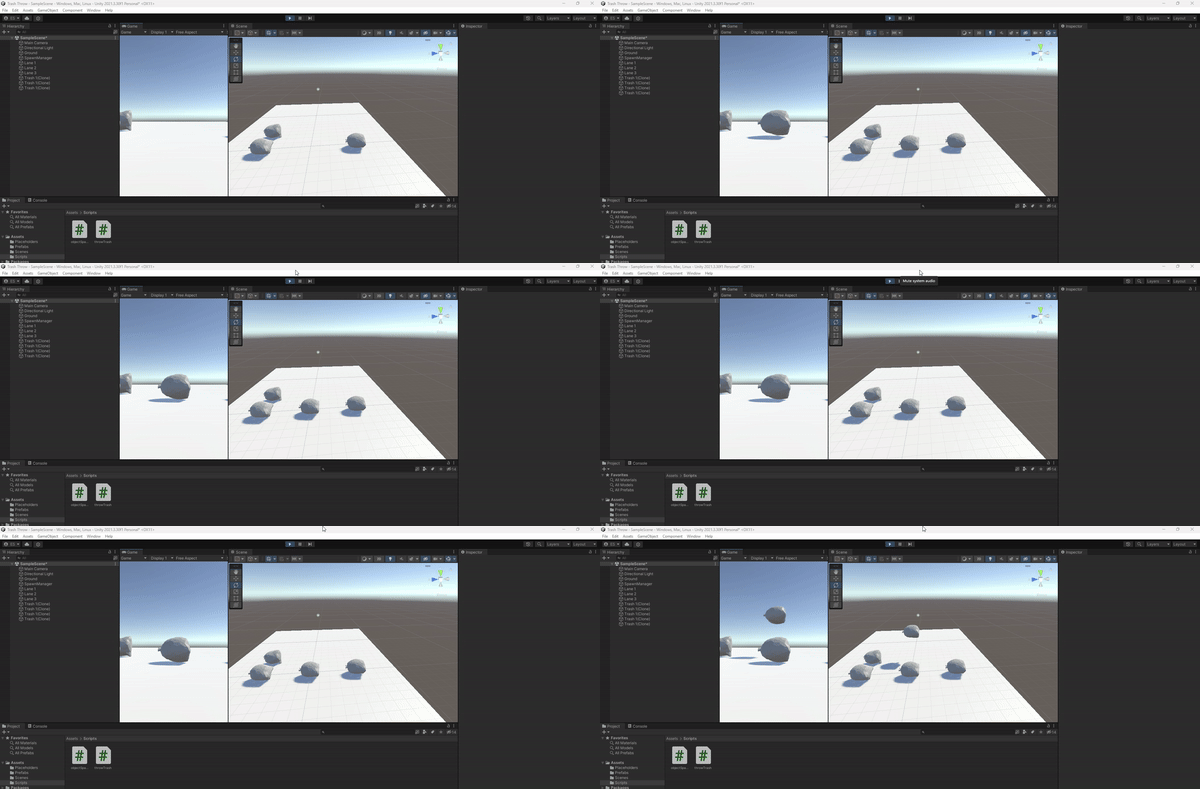
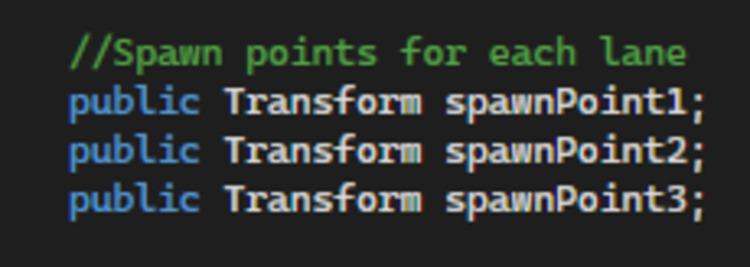
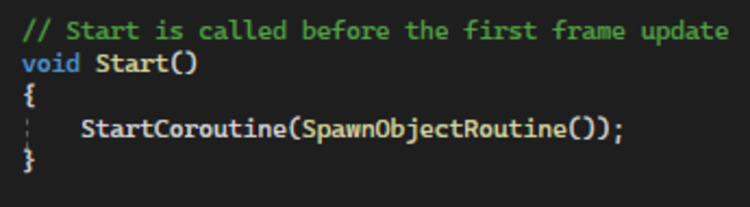
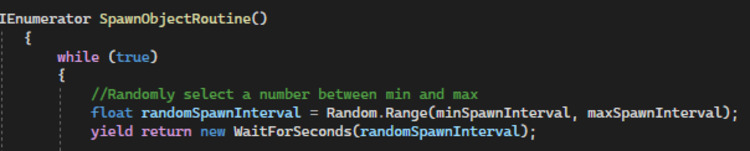
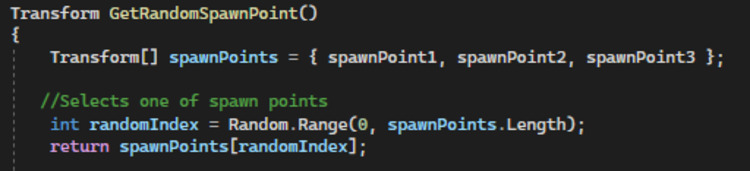
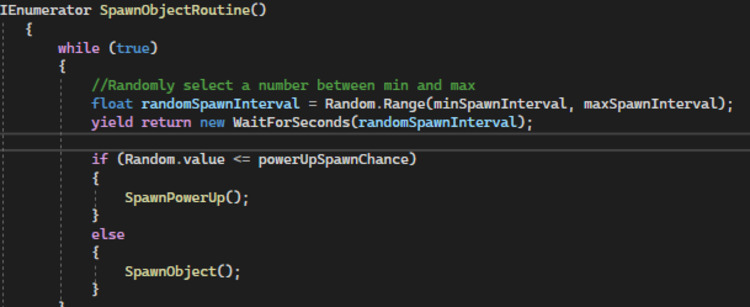
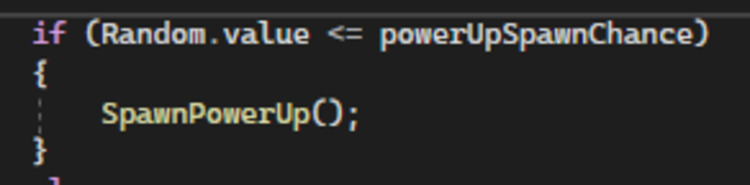
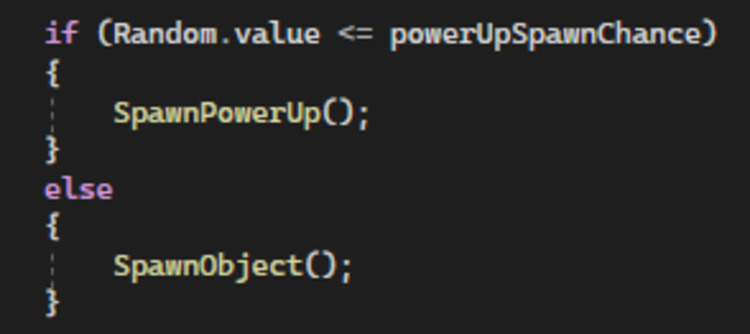
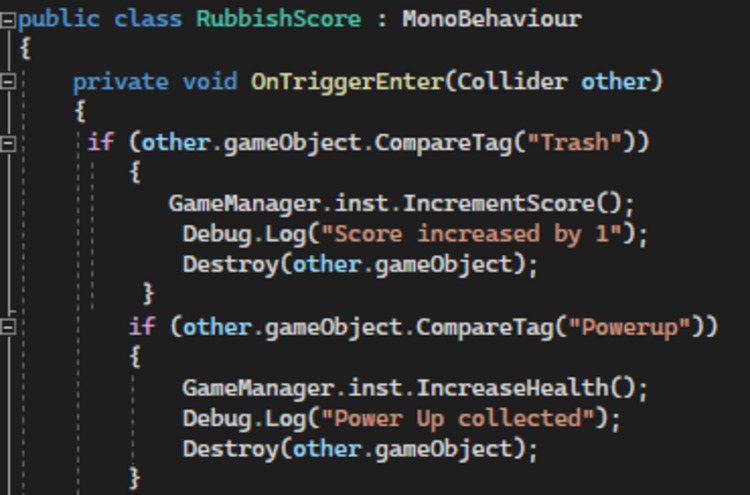
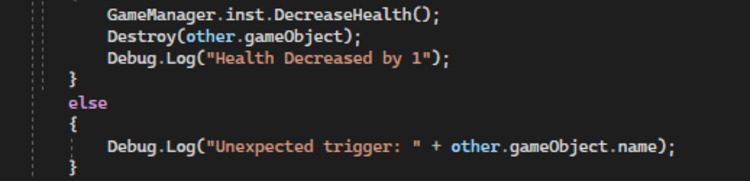
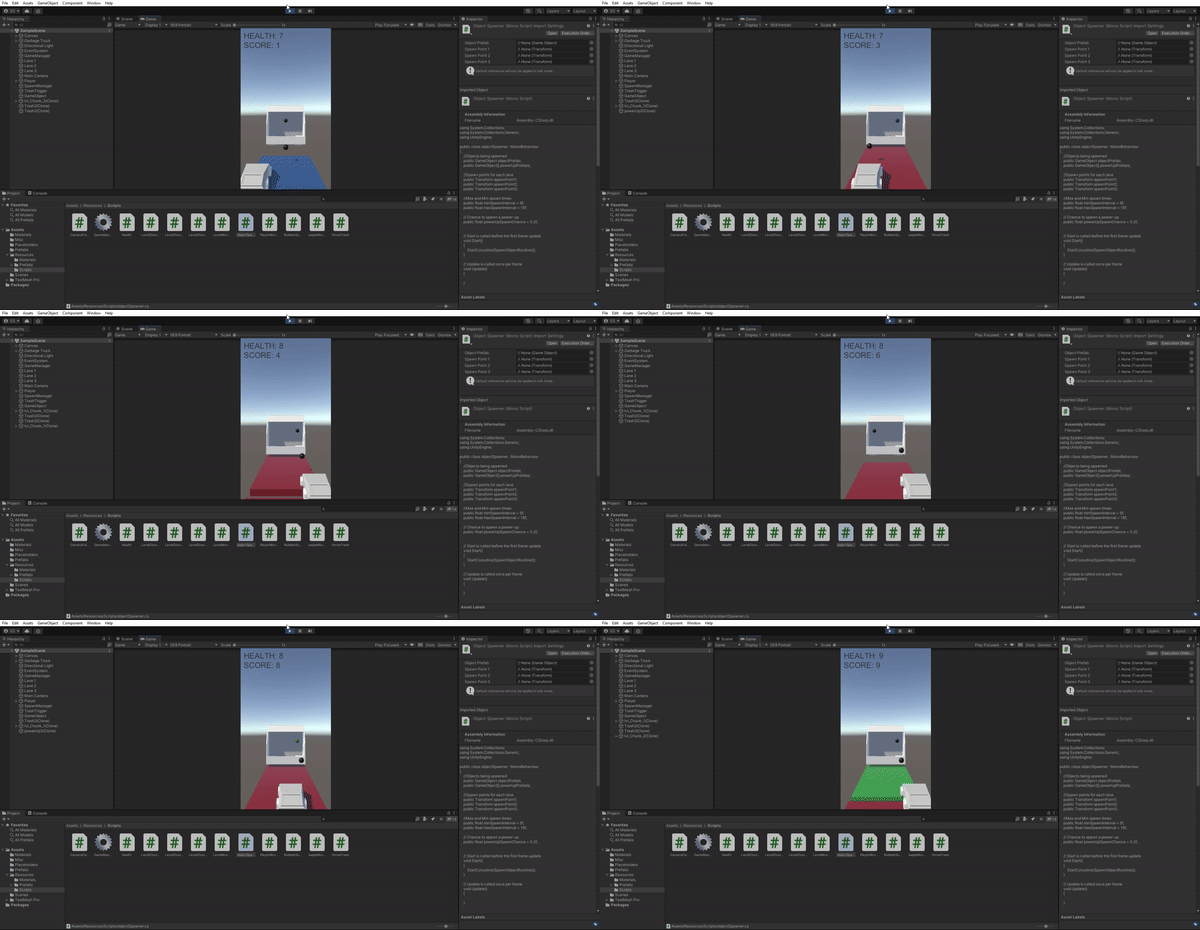
For this game I was tasked with the creation of a system that produced both collectibles that increased score and power-ups to enhance the player. I began the task with the creation of a script that instantiates the collectible before applying force to launch in the player's direction. I named the script trashThrow as I believe that describes the script's purpose; each collectible prefab would be equipped with this script. I would later use a boolean to check if the collectible is on the ground, this would ensure the object would not fly passed to the player but would move towards them. The next step to ensure the game functioned as intended was to allow the collectibles to spawn in more than one lane, as the player had 3 navigable lanes and could easily collect the incoming collectibles as they would only occupy the center lane. This was achieved through the use of 3 empty game objects positioned at the center of each lane. When the game began a coroutine would begin in which the one of the lanes was selected, a random time between the specified interval was selected and then the collectible would be spawned and launched towards the player.The final main task completed was to integrate the game's score and health system to work with a myriad of power ups all intended to have differing effects(however this is not the case currently). To achieve functionality in a limited yet effective way that adds to the gameplay loop all the different colored power-ups do the same function “heal the player for 1 point”. This functionality was achieved through the use of the game manager if the player hit a collectible the score would be raised by 1 and if the player collected any of the 3 randomly spawned power ups the would be healed for 1 point as well.This system is quite simple using a box collider on the player checking for objects of a specific tag and adjusting the score/health accordingly.
As stated before the game has several different types of power-up within the game, however functional they all act the same. If this project were to go on longer or if we were to revisit this project, this is one of the issues I would remedy as our initial scope had the idea of several different power-ups all with differing effects. Some of these effects include a repair kit that healed all lost health, a shield that would briefly allow the player to smash through obstacles, a stopwatch that slows time giving the players more time to react, a score multiplier giving the player a extra score based on the multiplier collected, a magnet that pulls in all items and even a sound barrier/warp that would boost the player forward ignoring all obstacles while collecting all spawned collectibles. Another area that needs some revisiting and polish is the score system which doesn’t end the game and restart when the score is at or below zero. This is a major issue for our core gameplay loop as it breaks immersion and adds quite a bit of confusion. However, by far the most interesting idea that in the end did not pan out was the creation of an upgrades menu that would allow the player after each run to spend collected items in order to upgrade aspects of their car. This idea however did not make it past the initial development stages as it was deemed too advanced and time consuming for the limited time frame. There is quite a lot of promise behind this idea and is an area of great interest, if given the opportunity to work on this project again or that of a similar project.